HONGLIBAG

In today's competitive marketplace, it's important to find a manufacturer or supplier who is reliable and can assist you with your project.
Finding a good manufacturer or supplier can be challenging, especially if you don't have experience working with them. This guide provides tips to help you find a manufacturer or supplier for your next project.
What is a Manufacturer?
A manufacturer is an entity that produces goods for sale in commerce. It is also considered as a person or company engaged in manufacturing. However, this rule has many exceptions, and some companies may perform both functions.
Is a Manufacturer a Supplier?
Supplier types include manufacturers, wholesalers, and distributors. You'll want to consider the difference between these three types. Manufacturers make the goods, wholesalers sell the goods, and distributors distribute the goods.
You can also add trading companies to the list if you are a retailer. A trading company offers products from different manufacturers who then produce them for you. However, they do not have their manufacturing facilities, quotes at a higher price, and do not provide professional suggestions for the previous ones.
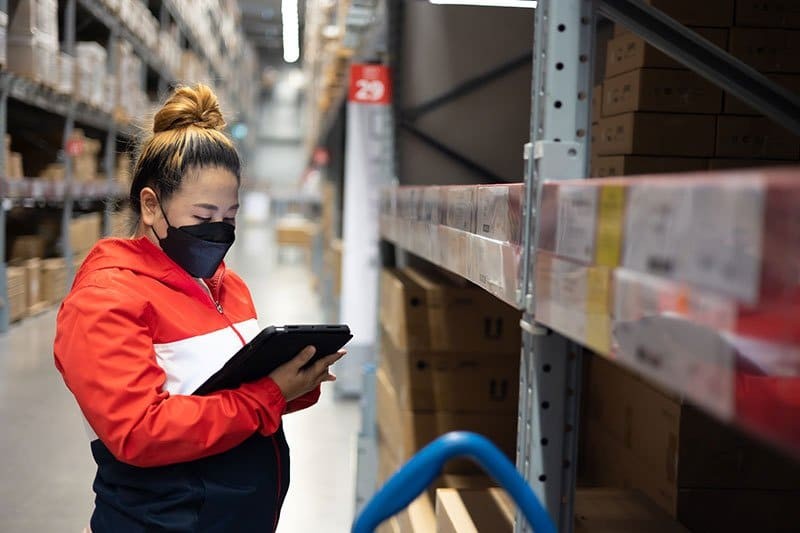
Domestic vs. Overseas Manufacturers
When looking for suppliers, you'll need to decide whether you want to source domestically or overseas. Overseas can refer to any location abroad.
It's good to secure two manufacturers: one domestic and one overseas. Your local manufacturer can be used as a backup. So, if orders from overseas are late or incorrect, you can fall back on your local supplier. They are often more expensive, but it's better to keep products stocked and customers happy than to have them wait for overseas shipments.
When sourcing cheaper goods overseas, you should consider Asian countries such as China, India, or Taiwan, lower labor costs. But there are more things to consider than upfront investment and cost per unit.
Leave A Message
If you are interested in our products and want to know more details, please leave a message here, we will reply you as soon as we can.