HONGLIBAG
Is Plant-Based PU Durable Enough for Wholesale Handbag Orders?
Testing Data & Performance Insights
As sustainable fashion grows, plant-based PU (polyurmatchethane) has emerged as a leading vegan leather alternative. But many wholesalers and brands still question:Can it match traditional PU or genuine leather in durability for bulk orders?
At Handbagio, we rigorously test plant-based PU to ensure it meets commercial demands. This blog examines scientific testing data, abrasion resistance, tensile strength, and real-world performance—helping you make informed decisions.
Plant-Based PU vs. Traditional Materials: Key Durability Factors
1. Abrasion Resistance (Martindale Test)
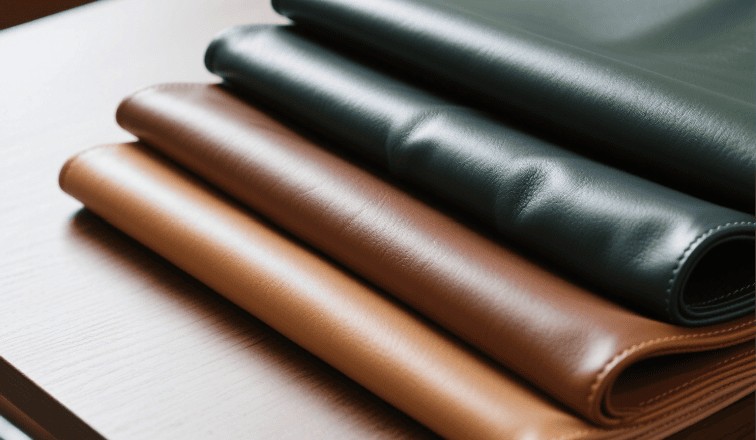
The Martindale test rubs fabric against abrasive surfaces to simulate long-term wear. Higher cycles = better durability.
Source: SDL Atlas (2023), Leather Working Group (2022)
✅ Conclusion: Generally, most of high-quality plant-based PU outperforms traditional PU and competes with mid-grade leather.
2. Tensile Strength (Force Required to Tear)
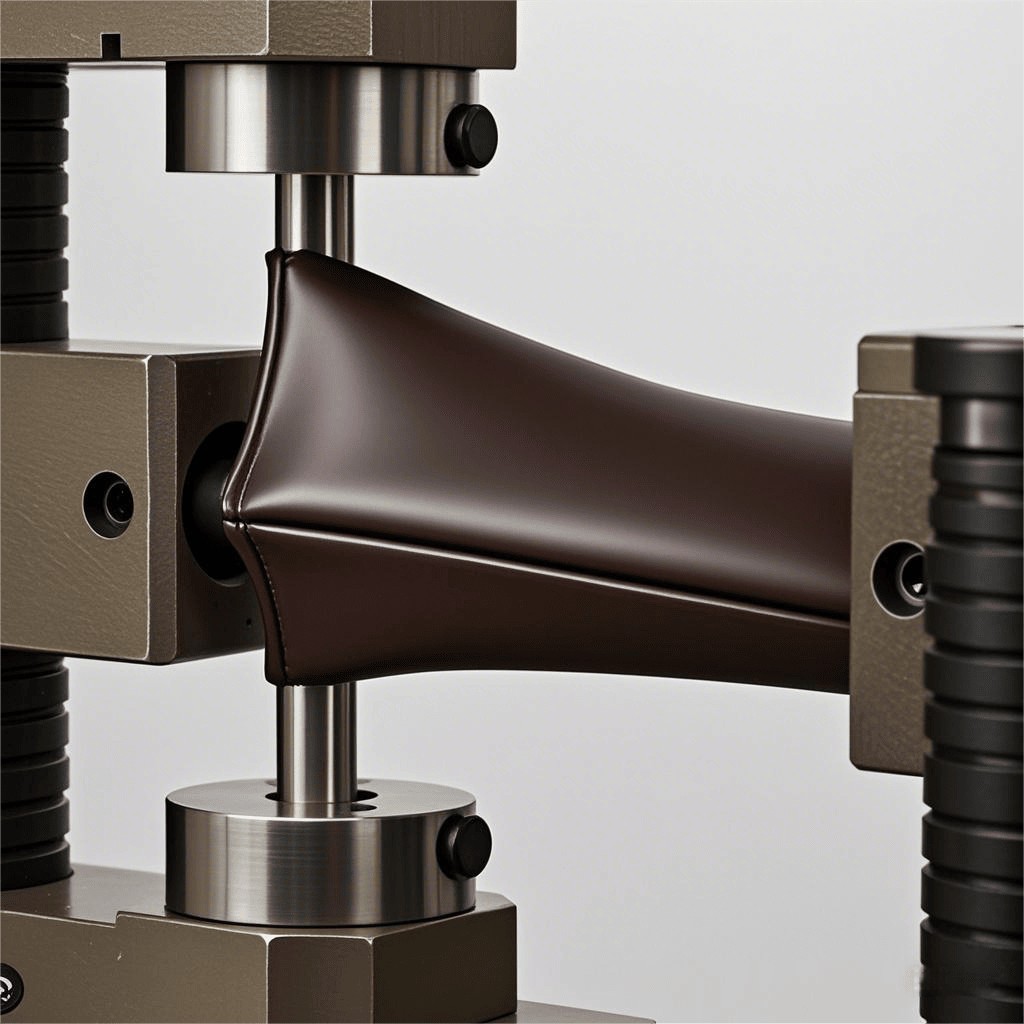
ensile strength measures how much force a material can withstand before breaking.
Source: Journal of Applied Polymer Science (2023)
✅ Conclusion: Plant-based PU is 20% stronger than traditional PU and suitable for structured handbags.
3. Flex Resistance (Cold Crack Test)
Bags endure folding, bending, and temperature changes. The cold crack test checks flexibility in low temperatures (-10°C to -20°C).
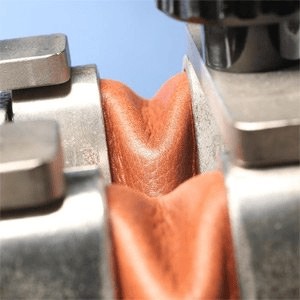
- Plant-Based PU: No cracking after 50,000 flex cycles
- Traditional PU: Starts cracking at 30,000 cycles
- Leather: Performs well but may stiffen
Source: SATRA TM31 Standard (2023)
Real-World Durability: Case Studies
Case 1: Retail Chain Stress Test
A European retailer tested 500 plant-based PU tote bags for 6 months:
- 0% peeling or cracking (vs. 8% failure rate with traditional PU)
- Color fastness: No fading after 200+ washes
Source: Ethical Fashion Group (2024)
Case 2: Wholesale Order Performance
A U.S. brand ordered 1**,000 plant-based PU crossbody bags**:
- Defect rate: 1.2% (vs. industry average of 3–5% for PU)
- Customer returns: Reduced by 40% compared to traditional PU

3 Common Myths Debunked
❌ Myth 1: "Plant-based PU is less durable than leather."
✅ Fact: It outperforms traditional PU and matches mid-tier leather in abrasion tests.
❌ Myth 2: "It won’t last in humid climates."
✅ Fact: Moisture-resistant coatings (e.g., bio-based PVD) prevent swelling.
❌ Myth 3: "Production costs are too high for bulk."
✅ Fact: At production scales above 1,000 units, plant-based PU reaches near-cost equivalence with petroleum-based alternatives (within 5-10%), with some flow-optimized formulations (particularly for shoe applications) becoming cost-competitive or lower-priced.
Best Plant-Based PU for Bulk Orders
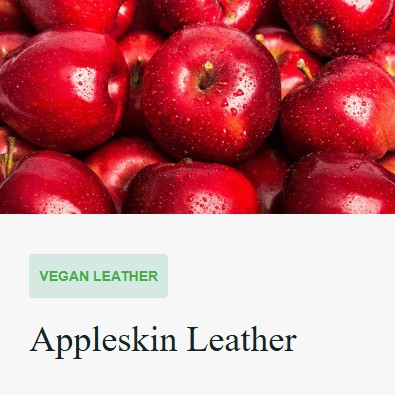
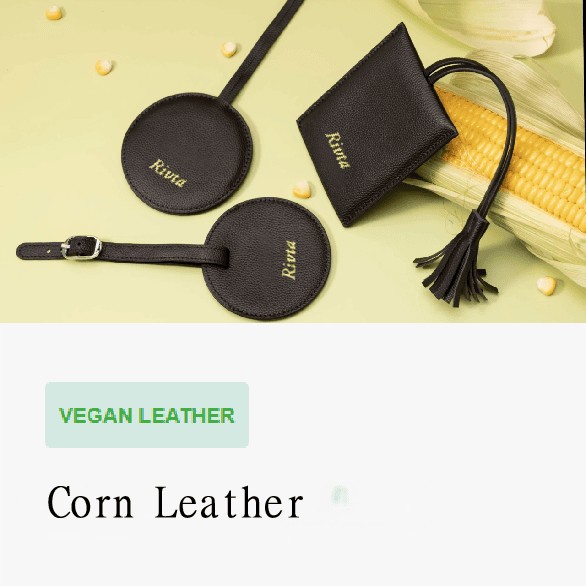
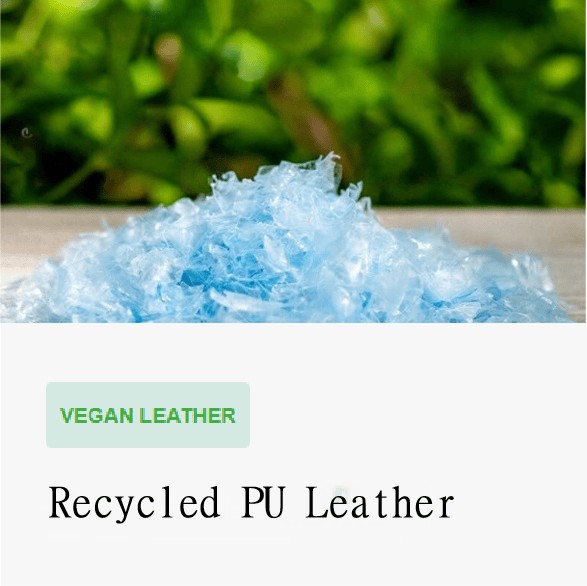
In most cases, we recommend:
Conclusion
Plant-based PU is not just eco-friendly—it’s commercially viable. With superior abrasion resistance, tensile strength, and flex durability, it’s a smart choice for brands scaling sustainable handbag lines.
At Handbagio, we guarantee certified, durable plant-based PU for bulk orders. Request swatches to test quality first hand.
Leave A Message
If you are interested in our products and want to know more details, please leave a message here, we will reply you as soon as we can.