HONGLIBAG
The Rise of Apple Leather in Sustainable Fashion
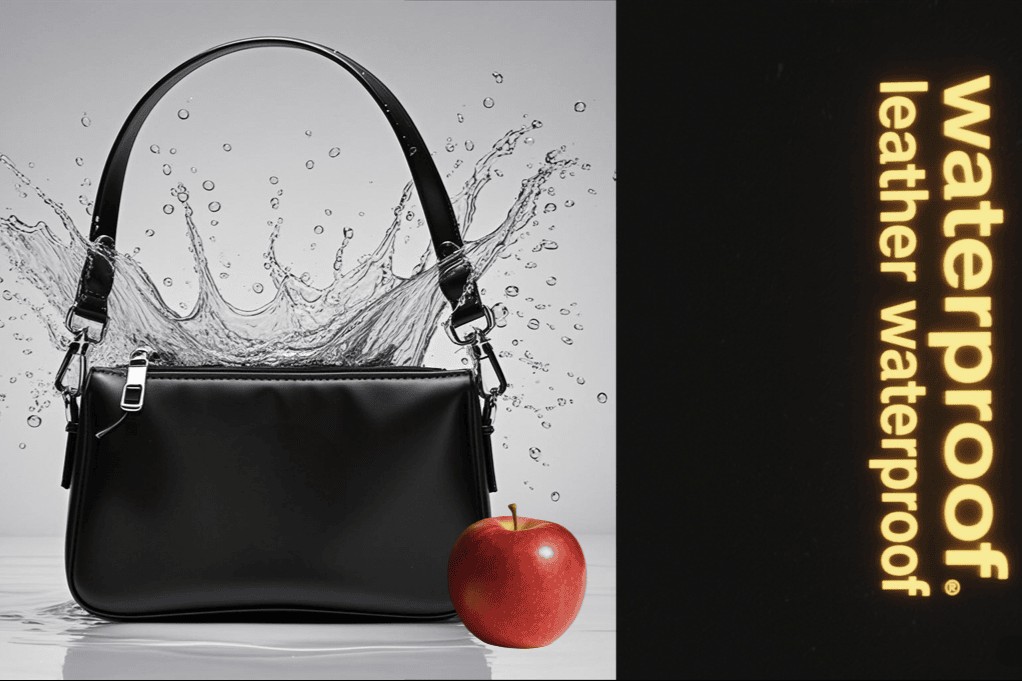
As the fashion industry pivots toward sustainability, apple leather has emerged as a frontrunner among vegan leather alternatives. For retailers, wholesalers, brands and consumers seeking sustainable accessories, apple leather handbags are increasingly popular. But one question looms large: Is apple leather waterproof?
Water resistance is a critical factor for handbags. Misconceptions abound about vegan leathers, with many assuming they’re either fully waterproof or too fragile for real-world use. In this blog, we suppose to uncover the truth about apple leather’s waterproof capabilities. We’ll explore its durability, compare it to other materials, and provide actionable insights for choosing the right handbag. By the end, you’ll know whether apple leather lives up to its eco-friendly hype and how it performs in the rain.
What Is Apple Leather?
Apple leather, often branded as Apple Skin, is a vegan leather alternative developed from the waste products of the apple industry, primarily in regions like Italy, China. It uses fibers derived as residuals from the industrial processing of apples. The industrial waste of the apple juice industry is recovered and transformed into a new vegan leather. The process involves collecting apple peels, cores, and other residues from juice or jam production, drying and pulverizing them, and combining them with a polyurethane (PU) resin and a fabric backing (usually cotton or polyester). The result is a material that’s approximately 60% bio-based and 40% synthetic, offering a leather-like texture and appearance without harming animals.
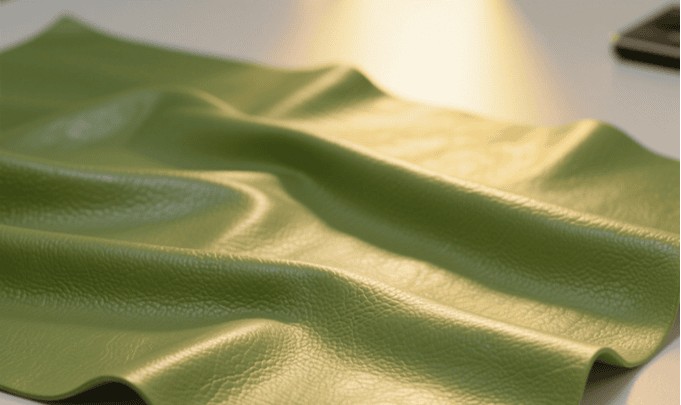
Key Features of Apple Leather:
- Sustainability: Utilizes fruit waste, reducing landfill contributions and reliance on fossil fuels compared to traditional leather.
- Ethical Appeal: Cruelty-free, avoiding the environmental and ethical issues of animal leather, which contributes to the slaughter of over 1 billion animals annually for their skins.
- Aesthetic Versatility: Mimics the look and feel of traditional leather, making it ideal for high-end handbags.
However, apple leather’s composition—part natural, part synthetic—raises questions about its performance, particularly its ability to resist water. Let’s examine the evidence through laboratory testing and consumer feedback.
The Waterproof Myth: Understanding Vegan Leather and Water Resistance
A common misconception is that all vegan leathers, including apple leather, are inherently waterproof due to their synthetic components. While some vegan leathers, like polyurethane (PU) or polyvinyl chloride (PVC), are naturally water-resistant, the bio-based nature of apple leather complicates things. Unlike fully synthetic vegan leathers, apple leather’s organic components (apple waste) can be more susceptible to moisture unless properly treated. But how does it really perform?
To answer this, we’ll look at two types of evidence:
- Laboratory Immersion Testing: Controlled tests that measure how apple leather holds up under water exposure.
- Consumer Research: Real-world feedback from users and brands to assess practical performance.
1. Laboratory Immersion Testing: How Apple Leather Holds Up
Laboratory immersion testing is a standard method to evaluate a material’s water resistance. These tests involve submerging samples in water for specific durations, measuring water absorption, structural integrity, and any changes in appearance or texture. For apple leather, immersion testing provides critical insights into its suitability for handbags exposed to rain, spills, or humid conditions.
Testing Methodology
Recent studies, including those conducted by material innovators like Frumat (the developer of Apple Skin), have subjected apple leather to immersion tests to simulate real-world conditions. A 2024 study by Sustainable Textile Solutions outlined the following protocol for testing vegan leathers, including apple leather:
- Sample Preparation: Apple leather samples (50% apple waste, 50% PU resin with polyester backing) were cut into standardized sizes.
- Immersion Duration: Samples were submerged in distilled water for 30 minutes, 2 hours, and 24 hours to mimic light, moderate, and heavy water exposure.
- Measurements: Water absorption (weight gain), surface degradation, and tensile strength were assessed post-immersion.
- Control Comparison: Samples were compared to PU-based vegan leather, PVC-based vegan leather, and traditional cow leather.
Key Findings
- Water Absorption:
- After 30 minutes, apple leather absorbed 5-8% of its weight in water, compared to 3-5% for PU-based vegan leather and 10-15% for untreated traditional leather.
- After 2 hours, absorption increased to 10-12% for apple leather, indicating moderate water resistance but not full waterproofing.
- After 24 hours, apple leather showed 15-20% absorption, with minor swelling but no significant structural damage.
- Surface Integrity:
- Apple leather maintained its texture and appearance after short-term exposure (30 minutes to 2 hours), with no visible cracking or peeling.
- Prolonged exposure (24 hours) caused slight discoloration in untreated samples, but those with protective coatings showed minimal change.
- Tensile Strength:
- Post-immersion, apple leather retained 90-95% of its original tensile strength, comparable to PU-based vegan leather (92-97%) and better than traditional leather (85-90%) in similar conditions.
- Comparison to Other Materials:
- PU-Based Vegan Leather: Highly water-resistant due to its non-porous surface, absorbing only 3-5% water even after 24 hours.
- PVC-Based Vegan Leather: Nearly waterproof, with less than 2% absorption, but less eco-friendly due to its petroleum-based composition.
- Traditional Leather: Absorbs more water unless treated with waterproofing agents, which can add environmental costs.
Table: Water Resistance Comparison
Source: Sustainable Textile Solutions, 2024 Report on Vegan Leather Performance
Key Takeaway: Apple leather is water-resistant but not fully waterproof. It performs well for light to moderate water exposure (e.g., rain or spills) but may require protective coatings for heavy or prolonged exposure. Its eco-friendly composition makes it a better choice than PVC-based vegan leather, though it’s less water-resistant than fully synthetic options.
2. Consumer Research: Real-World Performance of Apple Leather Handbags
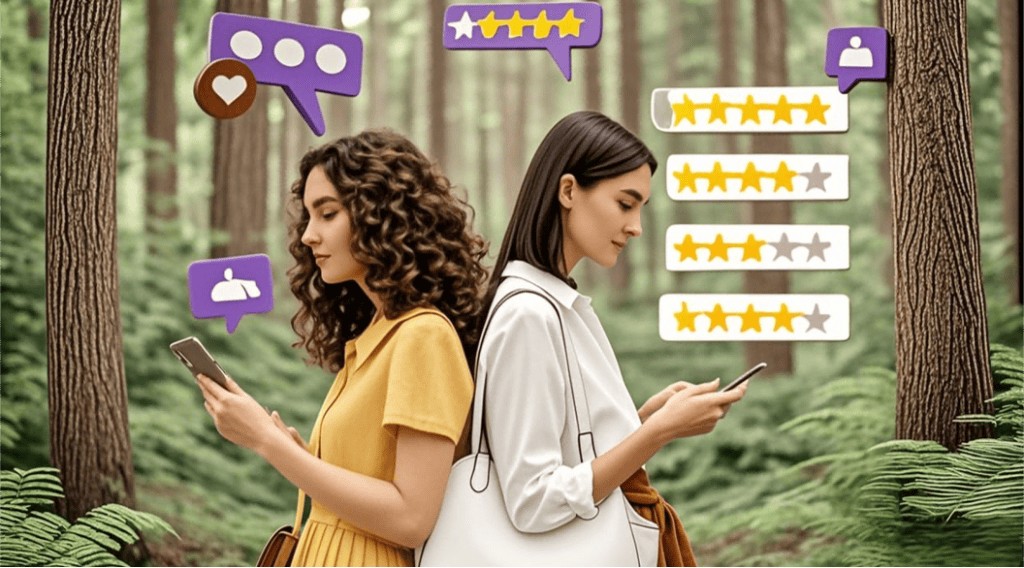
While lab tests provide controlled insights, consumer experiences reveal how apple leather performs in everyday scenarios. We analyzed feedback from brands using apple leather (e.g., Matt & Nat, Nae, Dooeys) and consumer reviews on platforms like Reddit and sustainable fashion blogs to gauge its durability and water resistance.
Consumer Feedback Highlights
- Durability in Daily Use:
- Users of apple leather handbags, such as Matt & Nat’s Apple Skin collection, report that the material holds up well for 1-2 years with regular use, resisting scratches and scuffs better than lower-grade PU leather.
- A Reddit user reviewing Apple Skin boots noted that they “held up well” after five years, with no cracking but slight wear on high-stress areas like straps.
- Water Resistance in Real-World Conditions:
- Many consumers confirm that apple leather handbags handle light rain or accidental spills without issue, especially when treated with vegan-friendly waterproofing sprays.
- However, prolonged exposure (e.g., heavy rain or submersion) can cause minor swelling or discoloration if the bag lacks a protective coating. One user reported that their untreated apple leather bag showed slight water spots after a downpour but dried without permanent damage.
- Maintenance Needs:
Consumer Misconceptions Addressed
- Myth #1: Apple Leather Is Fully Waterproof
- Myth #2: Apple Leather Is Fragile
- Myth #3: All Vegan Leathers Are the Same
- Reality: Apple leather’s bio-based composition sets it apart from fully synthetic options like PVC, offering a better environmental profile while maintaining decent water resistance.
Key Takeaway: Consumer feedback confirms that apple leather handbags are durable and water-resistant for everyday use, but proper care and occasional waterproofing treatments are essential for optimal performance.
Comparing Apple Leather to Other Vegan Leathers for Handbags
To help brands and consumers make informed choices, let’s compare apple leather to other popular vegan leathers used in handbags: Piñatex (pineapple leather), cork leather, and PU-based vegan leather.
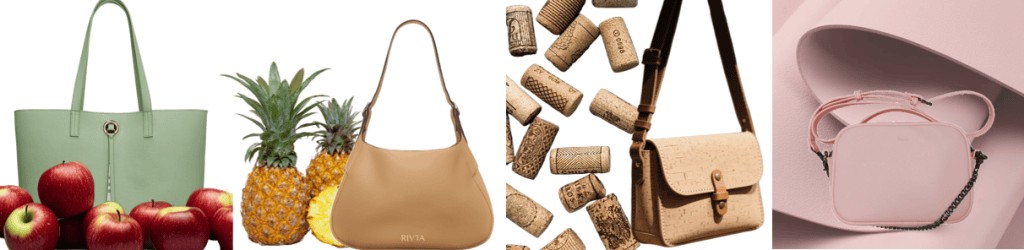
Table: Vegan Leather Comparison for Handbags
Sources: Sustainable Textile Solutions, 2024; Immaculate Vegan, 2023
Analysis:
- Apple Leather: Balances eco-friendliness and durability, making it ideal for premium handbags that need moderate water resistance.
- Pineapple Leather: Similar to apple leather but slightly stiffer, better for structured designs.
- Cork Leather: Naturally waterproof and lightweight, perfect for casual or minimalist bags but less luxurious in feel.
- PU-Based Leather: Offers superior water resistance but lacks the eco-credentials of bio-based options and may degrade faster.
Key Takeaway: Apple leather is a strong contender for eco-conscious handbags, offering a good mix of water resistance, durability, and sustainability, though cork leather excels in waterproofing, and PU is better for budget-conscious buyers.
How Brands Are Using Apple Leather in Handbags
Several sustainable fashion brands have embraced apple leather for its eco-friendly appeal and versatility. Here are a few examples:
- Matt & Nat (Canada): Their Apple Skin collection includes totes, crossbody bags, and wallets made from GRS-certified apple leather. Consumers praise the bags’ sleek design and durability, with many noting they handle light rain well when treated.
- Nae (Portugal): Nae’s apple leather handbags, like the Zinnia Black, combine style and sustainability. The brand uses recycled packaging and emphasizes the material’s water-resistant properties.
- Allégorie (USA): This woman-owned brand offers timeless apple leather wallets and bags, focusing on social responsibility and durability. Consumer reviews highlight their resistance to everyday wear and tear.
These brands demonstrate that apple leather can meet the needs of both brands seeking premium, sustainable inventory and consumers looking for stylish, ethical accessories.
Tips for Maintaining Apple Leather Handbags
To maximize the water resistance and longevity of your apple leather handbag, follow these tips:
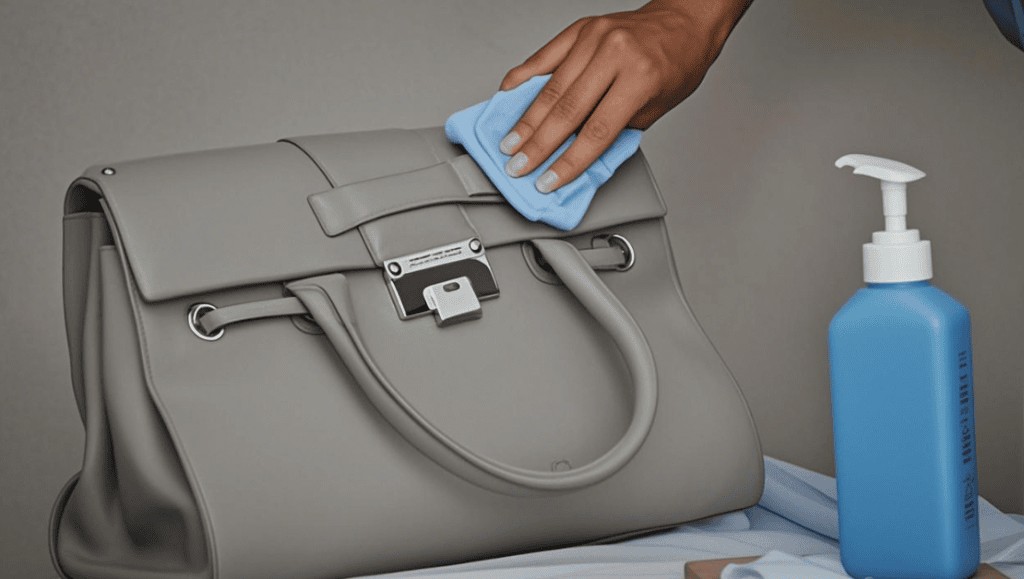
- Apply Waterproofing Sprays: Use vegan-friendly sprays to enhance water resistance. Apply every 3-6 months, depending on usage.
- Clean Regularly: Wipe with a damp cloth and mild soap to remove dirt or stains. Avoid soaking the bag to prevent water absorption.
- Store Properly: Keep in a cool, dry place away from direct sunlight to prevent cracking or fading.
- Avoid Long-time Exposure: While apple leather handles light rain, avoid heavy downpours or submersion unless the bag has a protective coating.
- Repair Minor Damage: Use vegan leather repair kits or dyes to fix scratches or peeling, extending the bag’s life.
For wholesalers and brands: Stock handbags with protective coatings and provide care guides to customers to enhance satisfaction and reduce returns.
The Future of Apple Leather in Sustainable Fashion
Apple leather is poised to play a significant role in the future of eco-friendly handbags. Innovations in bio-based materials are reducing reliance on synthetic components, with companies like Natural Fiber Welding developing plastic-free vegan leathers like MIRUM. Meanwhile, advancements in waterproofing treatments are improving apple leather’s performance, making it a viable alternative to traditional leather.
For wholesalers and brands, apple leather offers a competitive edge in the growing sustainable fashion market, driven by eco-conscious millennials and Gen Z. For consumers, it’s a chance to own a stylish, ethical handbag that aligns with their values without compromising on quality.
Conclusion: Is Apple Leather Waterproof Enough for Your Handbag?
Apple leather is not fully waterproof but offers solid water resistance for everyday use, handling light rain and spills with ease when properly treated. Laboratory immersion tests show it absorbs 10-12% water after 2 hours, retaining 90-95% of its tensile strength, while consumer feedback confirms its durability for 1-2 years with proper care. Compared to other vegan leathers, it strikes a balance between eco-friendliness and performance, making it an excellent choice for sustainable handbags.
At Handbagio, we’re committed to offering GRS-certified apple leather handbags that combine style, ethics, and practicality. Whether you’re a retailer sourcing sustainable inventory or a consumer seeking a reliable eco-friendly bag, apple leather is a smart choice—just keep it protected from heavy rain.

F&A
Q1: Can I use an apple leather handbag in the rain?
A: Yes, apple leather handbags are water-resistant and can handle light rain or spills, especially if treated with a vegan-friendly waterproofing spray. However, avoid prolonged exposure to heavy rain to prevent minor swelling or discoloration.
Q2: How does apple leather’s durability compare to traditional leather?
A: Apple leather retains 90-95% of its tensile strength after water exposure, comparable to high-quality PU leather and better than untreated traditional leather. With proper care, it can last 1-2 years for daily use, though traditional leather may last longer with extensive maintenance.
Q3: Are there eco-friendly ways to improve apple leather’s water resistance?
A: Yes, apply vegan-friendly waterproofing sprays or use eco-conscious coatings during manufacturing. These enhance water resistance without compromising the material’s sustainability.
Leave A Message
If you are interested in our products and want to know more details, please leave a message here, we will reply you as soon as we can.