HONGLIBAG
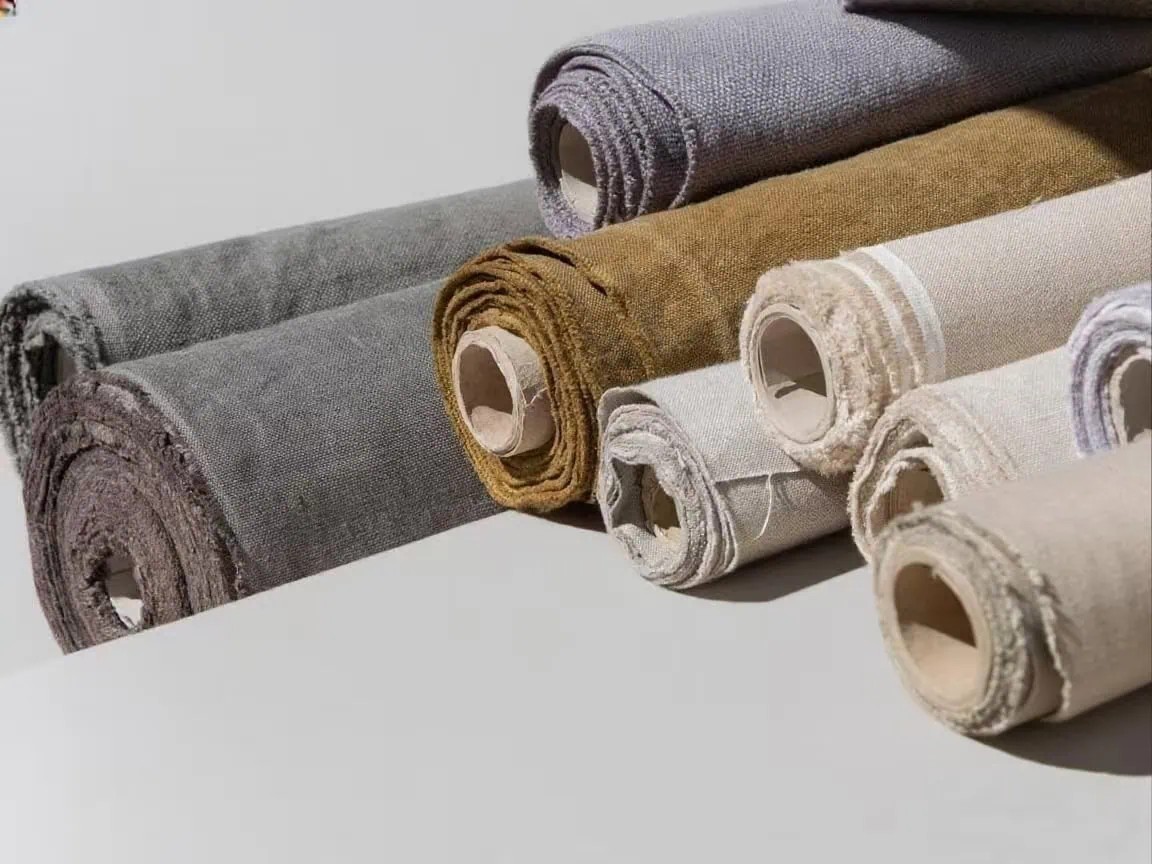
Choosing The Perfect Tote Bag: Which Material Is Best For You?
Struggling to pick the right tote bag material? The options are overwhelming. Choosing the wrong one means a flimsy bag or a bad investment. This guide makes your decision simple.
For the best all-around choice, canvas offers incredible durability, while jute is a top-tier sustainable option. If your priority is a low upfront cost for bulk orders, non-woven Polypropylene is the most economical. Each material has unique strengths depending on your specific needs and values.
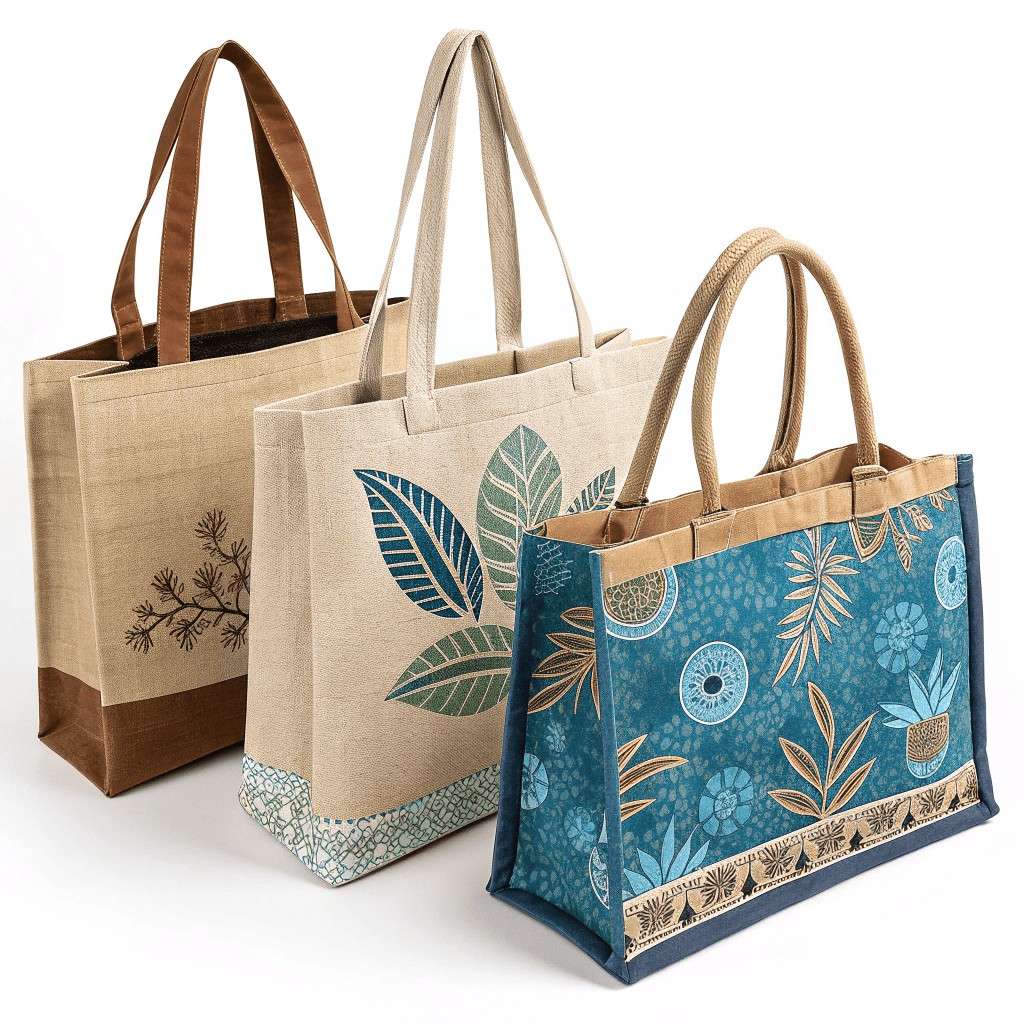
Choosing a reusable bag is a great first step for our planet. But not all bags are created equal. I work at Handbagio, and our mission is to make products that truly help the environment. I've seen firsthand how the right material can make a huge difference. It can affect how long the bag lasts, what it costs, and its real impact on the earth. Let's break down the most popular options so you can find the perfect tote bag for your life, your business, and your values.
Which Tote Bag Material is Most Durable and Cost-Effective?
Worried your new tote will rip under pressure? Or that you're paying too much for something that won't last? Finding that sweet spot between strength and price is the biggest challenge for my clients.
Canvas and jute offer the best long-term durability, making them a great value over time. For the absolute lowest upfront cost, especially for large orders, non-woven polypropylene is the clear winner. Your choice depends on whether you prioritize long-lasting strength or initial budget.
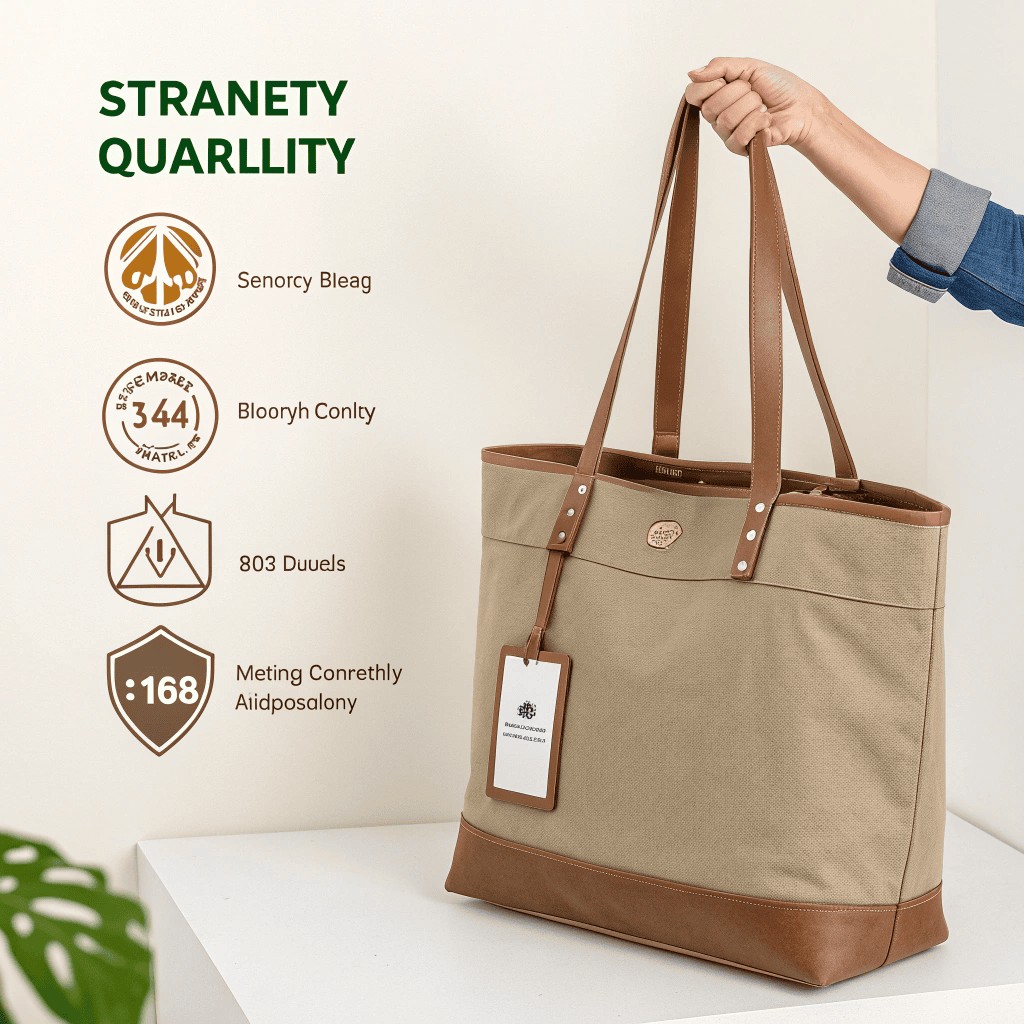
When I'm buying supplies for the seven rescue cats my partner and I care for, I need a bag that can handle heavy cans of food and big bags of litter. My go-to is always a heavy-grade canvas tote. It has never let me down. This personal experience shows me every day that durability is not just a feature; it’s about reliability. At Handbagio, we look at durability and cost as two sides of the same coin. A cheap bag that breaks after a few uses isn't cost-effective at all—it’s just waste. A strong bag you can use for years is a much smarter investment. Let's look at how these materials stack up.
Material Strength Breakdown
The material's weave and thickness are key to durability. Canvas is a plain-weave fabric known for its strength, which is why it's used for sails and tents. Jute fibers are naturally tough and resilient, though the weave can be coarser. Recycled PET and non-woven bags are manufactured materials, and their strength depends on the thickness and the process used to bond the fibers.
Lifetime Value vs. Upfront Cost
It's tempting to just look at the price tag. Non-woven bags are cheap to produce, making them perfect for large-scale giveaways. But for a bag you want to sell in your retail store or use every day, the "cost per use" is a better measure. A canvas bag might cost more initially, but if you use it 500 times, its cost per use is tiny.
What is the True Environmental Impact: A Sustainability Showdown?
You want an eco-friendly bag, but "green" claims can be misleading. How do you know you're making the best choice for the planet? It's a question I think about all the time.
Organic cotton, jute, and recycled PET are all excellent sustainable choices. Jute is a standout because it's biodegradable and requires very little water to grow. Recycled PET is fantastic for giving plastic waste a second life, and organic cotton protects our soil and water from pesticides.
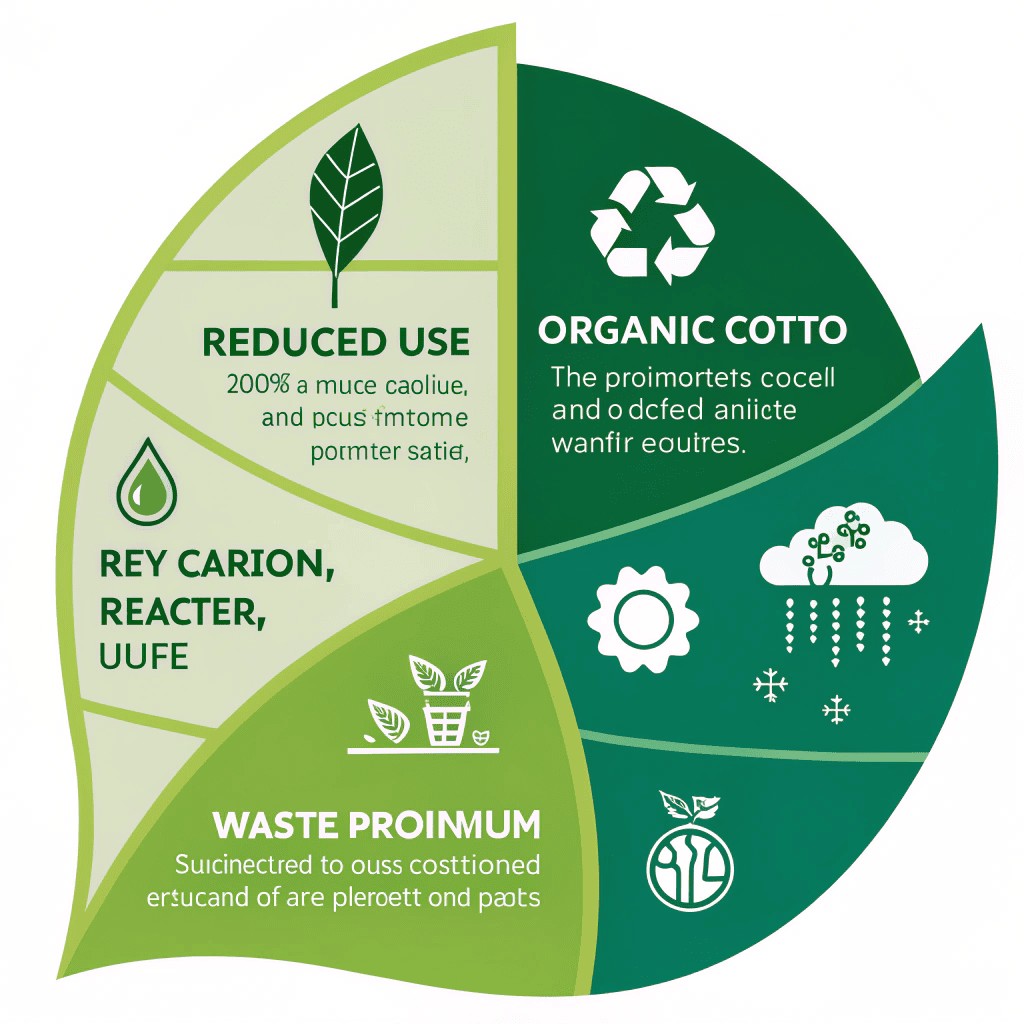
At Handbagio, our slogan is "Protecting the World through Environmental Protection." This isn't just marketing; it's the core of why we exist. We decided to encourage our team to use bikes or electric scooters for commuting to reduce our carbon footprint. This same thinking applies to our products. A "green" product isn't just about the material itself. It's about the entire lifecycle, from how it's grown or created to how it can be disposed of. Some materials look great on the surface, but their production process tells a different story. Let's dig into what makes these top three eco-materials truly sustainable.
The Lifecycle of "Green" Materials
A material's journey is complex. We must consider water usage, pesticides, energy consumption during manufacturing, and what happens at the end of its life.
- Jute: This plant is a rockstar. It grows fast, requires mainly rainwater, needs very few pesticides, and actually enriches the soil it grows in. Plus, it's completely biodegradable.
- Organic Cotton: By avoiding synthetic pesticides and fertilizers, organic cotton farming protects ecosystems, soil health, and the people who work the land. It does use more water than jute, but far less than conventional cotton.
- Recycled PET (rPET): This material is made from recycled plastic bottles. Its biggest benefit is diverting plastic from our landfills and oceans. The process of turning bottles into fabric uses less energy than creating virgin polyester.
Comparing Key Sustainability Metrics
Visualizing the impact helps make the choice clearer. Each material helps the planet in a different way.
How Does Material Choice Affect Custom Printing and Branding?
Your logo is your identity. But putting it on the wrong material can make it look faded, blurry, or cheap. This is a huge risk when the bag is meant to be a mobile advertisement.
For crisp, photorealistic, and vibrant printing, canvas, organic cotton, and recycled PET are your best options. Their smooth, tight weaves create a perfect surface. Jute’s coarse texture offers a unique rustic look but isn't suitable for highly detailed designs.
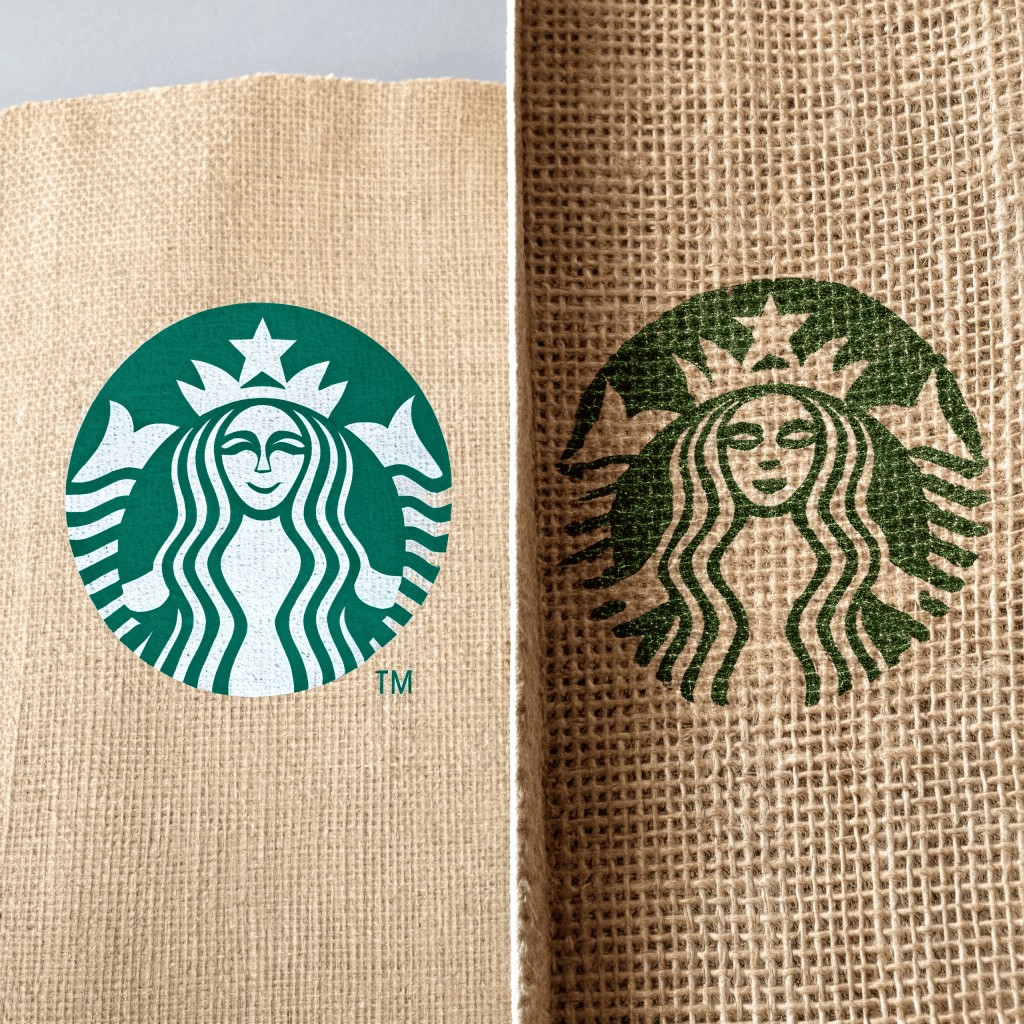
I once worked with a client, a tech startup with a very detailed, colorful logo. They initially loved the natural, earthy vibe of jute. But when we printed a sample, the fine lines and small text in their logo were completely lost in the rough texture of the fabric. It didn't represent their sharp, modern brand at all. We switched to a recycled PET tote, and the result was perfect—the colors popped, and every detail was crystal clear. This taught me a valuable lesson: the material is the canvas for your brand's story. You have to pick one that lets you tell that story clearly.
Matching Material to Printing Method
The texture of the fabric directly impacts which printing technique will work best.
- Smooth Surfaces (Canvas, Cotton, rPET): These materials are versatile. They handle screen printing (great for bold, simple designs), heat transfer (perfect for complex, multi-color images), and digital printing (for photorealism) beautifully.
- Rough Surfaces (Jute): The open, coarse weave of jute makes it challenging for detailed printing. Screen printing with thick, bold fonts or simple logos works best. The ink sits on the surface, and the natural texture becomes part of the design, which can be a very powerful aesthetic for organic or rustic brands.
A Guide to Printing Success
Choosing the right combination ensures your branding looks professional and lasts as long as the bag does.
Which Material is Right for Your Specific Needs?
A flimsy bag for heavy groceries is a disaster waiting to happen. And an expensive, heavy-duty bag for a one-time event giveaway is just overkill. Using the wrong bag is wasteful and frustrating.
For heavy grocery shopping, choose durable canvas or jute. For large-scale promotional giveaways, cost-effective non-woven is ideal. For a stylish retail bag that shows off your brand, go with printable organic cotton or recycled PET.
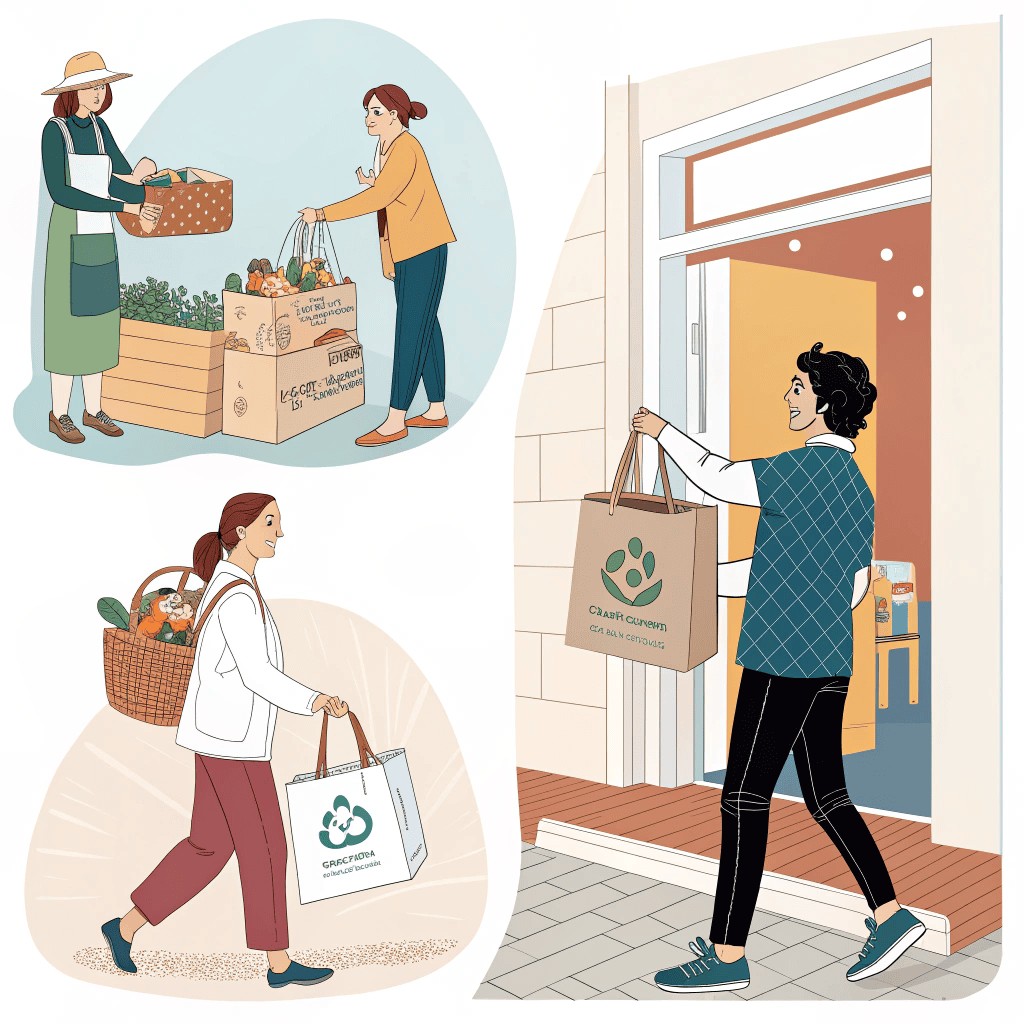
In my role at Handbagio, I'm not just a salesperson; I'm a problem-solver. I talk to marketing managers, small business owners, and event planners every day. Their needs are all so different. One day I'm helping a grocery chain find a bag that can hold a gallon of milk without tearing. The next, I'm helping a non-profit find 5,000 affordable bags for a charity run. The right answer is never "one size fits all." It’s about listening to the specific goal and matching it with the perfect material. The bag must do its job effectively, whether that job is carrying potatoes, promoting a brand, or both.
The Job of the Bag
Think about the primary function of your tote. This will guide you to the perfect material.
- Grocery Shopping: The main requirements are strength, capacity, and washability. The bag needs to handle heavy, bulky, and sometimes oddly shaped items. Durability is a must.
- Promotional Giveaways: Here, the primary factors are cost and brand visibility. The bag needs to look good and carry the logo clearly, but it doesn't need to last for a decade. It's a marketing tool.
- Retail/Fashion: This bag is part of the product experience. It needs to feel good, look premium, print beautifully, and reflect the brand's quality and values.
Recommendation Matrix
Let this table be your cheat sheet for choosing the right material for the job.
Conclusion
Choosing the right tote bag means balancing durability, cost, eco-impact, and purpose. By understanding each material's strengths, you can confidently select the perfect bag for your needs.
Leave A Message
If you are interested in our products and want to know more details, please leave a message here, we will reply you as soon as we can.