HONGLIBAG
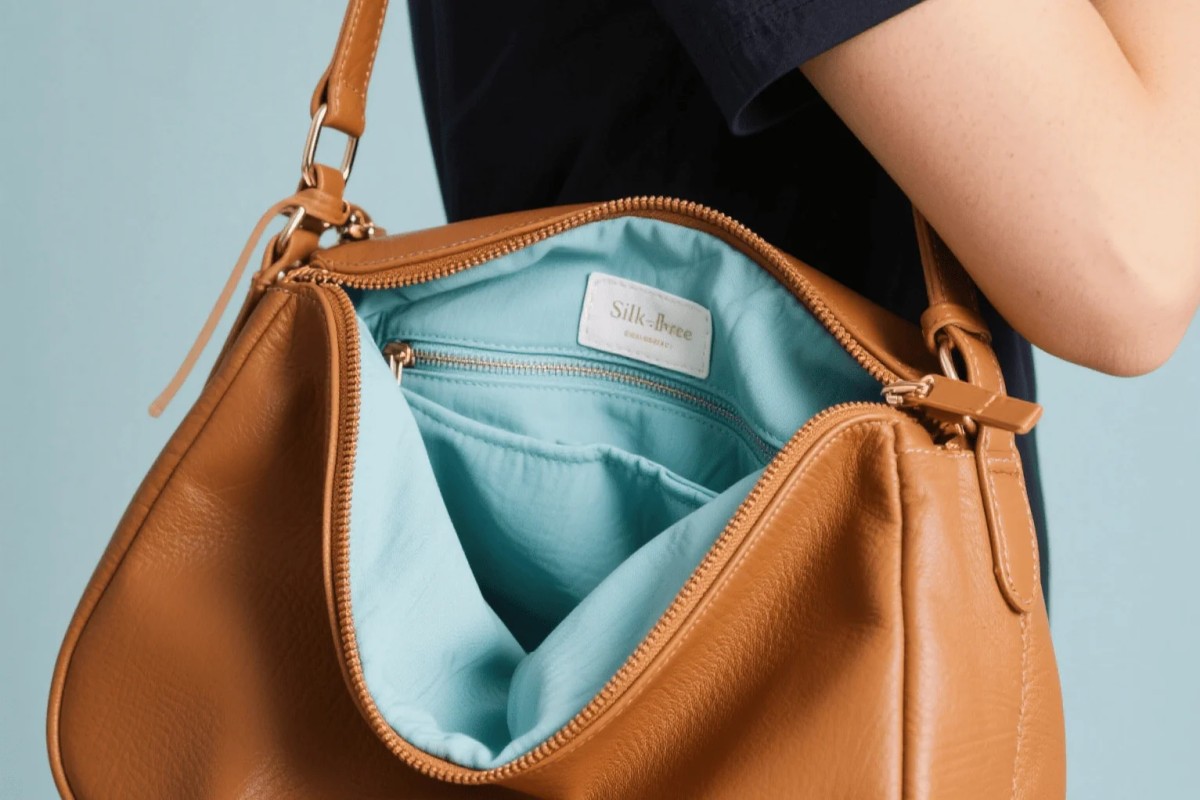
As ethical fashion grows, brands face increasing pressure to eliminate silk linings—a common but non-vegan material—from handbag designs. Fortunately, innovative alternatives like lyocell (Tencel™), organic cotton, and recycled polyester offer superior sustainability and performance.
This guide compares these materials through scientific testing, cost analysis, and real-world case studies, helping designers choose the best lining for vegan, durable, and high-end handbags.
Why Switch to Vegan Bag Linings?
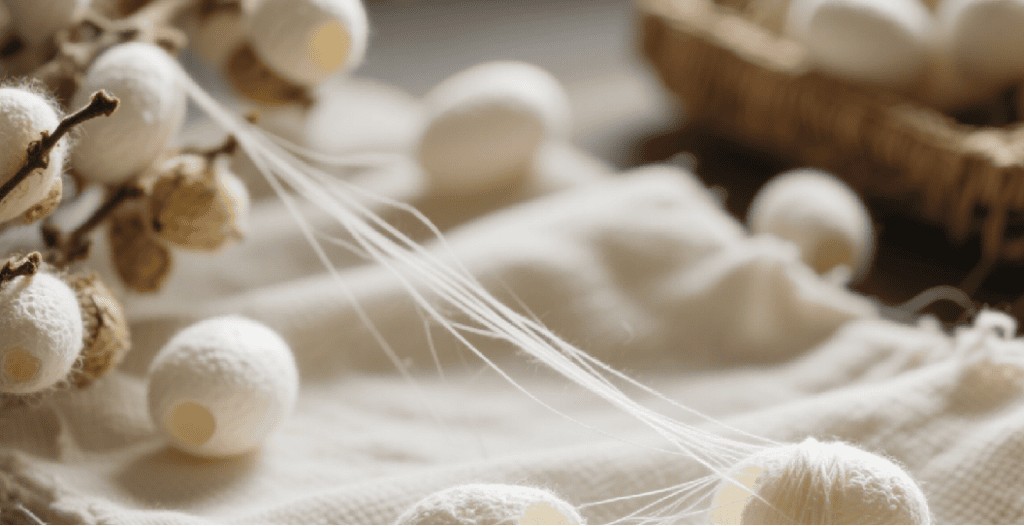
The Problem with Silk
- Non-vegan: Silk production kills silkworms (boiling cocoons).
- Water-intensive: Requires 3,000+ liters per kg of fabric (Textile Exchange, 2023).
- Weak durability: Prone to tearing (abrasion resistance <10,000 Martindale cycles).
Market Shift Toward Alternatives
- 62% of luxury brands now use silk-free linings (McKinsey, 2024).
- Vegan certifications (PETA, Vegan Society) demand non-silk materials.
Why Switch to Vegan Bag Linings?
The Problem with Silk
- Non-vegan: Silk production kills silkworms (boiling cocoons).
- Water-intensive: Requires 3,000+ liters per kg of fabric (Textile Exchange, 2023).
- Weak durability: Prone to tearing (abrasion resistance <10,000 Martindale cycles).
Market Shift Toward Alternatives
- 62% of luxury brands now use silk-free linings (McKinsey, 2024).
- Vegan certifications (PETA, Vegan Society) demand non-silk materials.
3 Top Silk-Free Lining Materials Compared
We tested lyocell (Tencel™), hemp, and recycled polyester for:
✅ Durability (Martindale abrasion, tensile strength)
✅ Sustainability (water/energy use, certifications)
✅ Cost (price per meter at bulk scale)
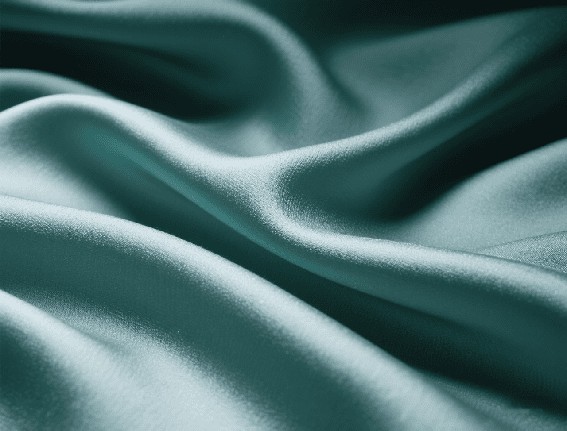
1. Lyocell (Tencel™) – The Premium Choice
Derived from
Wood pulp (sustainably sourced eucalyptus, beech, or spruce)
- Process: Closed-loop solvent spinning (NMMO), 99% solvent recycled
Performance
- Abrasion resistance: 35,000+ Martindale cycles (outperforms silk’s 10,000)
- Moisture-wicking: Absorbs 50% more humidity than cotton (Journal of Cleaner Production, 2023).
- Drape: Silk-like fluidity, ideal for structured luxury bags.
Sustainability
- Closed-loop production: 99% solvent reuse (Lenzing AG data).
- Biodegradable: Decomposes in 8 weeks in compost.
Best for
- High-end brands prioritizing luxury feel + eco-credentials.
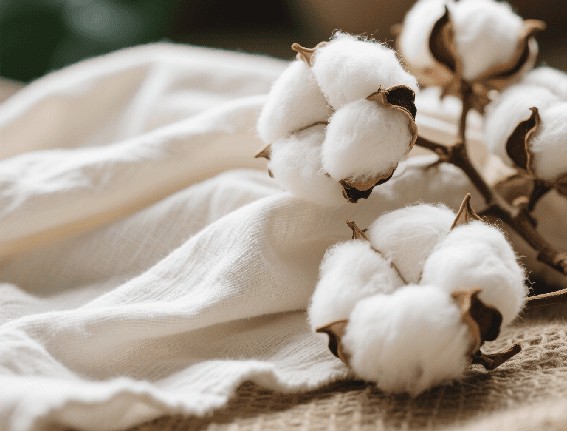
2. Organic Cotton – The Classic Natural Option
Derived from
Non-GMO cotton plants (no synthetic pesticides/fertilizers)
- Certified by: GOTS (Global Organic Textile Standard)
Performance
- Tensile strength: Stronger than conventional cotton due to longer fibers (Organic Cotton Accelerator, 2023).
- Breathability: Superior air circulation for everyday bags.
- Texture: Soft and versatile, but requires blending for structure.
Sustainability
- Reduced water use: GOTS-certified cotton uses 91% less water than conventional (Textile Exchange, 2023).
- Chemical-free: No synthetic pesticides or fertilizers.
Best for
- Brands seeking certified natural materials with mainstream appeal.
3. Recycled Polyester (rPET) – The Budget-Friendly Option
Derived from
Post-consumer plastic waste (e.g., bottles, fishing nets)
- Process: Melted and re-spun into new fibers
Performance
- Abrasion resistance: 50,000+ Martindale cycles (most durable).
- Waterproof: Often coated with PFC-free treatments.
- Limitation: Less breathable than plant-based options.
Sustainability
- Waste reduction: Made from post-consumer plastic bottles.
- Energy use: 50% less energy than virgin polyester (Textile Exchange, 2023).
Best for
- High-volume brands needing cost-effective durability
Material Comparison Summary
How to Choose the Right Lining
For Luxury Brands
- Pick lyocell: Pair with corn/apple leather for premium appeal.
- Tip: Use unbleached lyocell (darker hues hide stains).
For Eco-Conscious Start-ups
- Choose organic cotton: Market as "GOTS-certified" for trust.
- Tip: Blend with lyocell (70/30) to enhance durability.
For High-Volume Orders
- Opt for rPET: Meets price-sensitive MOQs (5,000+ units).
- Tip: Products with minimum 50% rPET qualify for GRS certification, creating added market value.

Case Study: Switching from Silk to Lyocell
A Spanish brand replaced silk linings with lyocell across 2,000 clutches:
- Customer returns dropped 25% (no more tearing complaints).
- Gained PETA certification, boosting wholesale inquiries by 40%.
Case Study: Switching from Silk to Organic Cotton
A French brand replaced silk linings with GOTS-certified cotton in 3,000 totes:
- Reduced material costs by 30% vs. Tencel™.
- Achieved Climate Neutral certification, attracting eco-retailers.

FAQ
Q1: Can organic cotton linings work for waterproof bags?
A: Yes, with these modifications:
- Apply PFC-free DWR coating (durable water repellent) for light rain resistance.
- Layer with rPET membrane for full waterproofing (used by 45% of outdoor brands [Outdoor Industry Association, 2024]).
- Stress-test prototypes: Lab tests show coated cotton withstands 5,000+ rubs (Martindale) before effectiveness declines.
Q2: Our brand needs linings that comply with EU REACH - which option is safest?
A: These materials meet standard:
- Lyocell (Tencel™) with OEKO-TEX Standard 100
- rPET with Bluesign® certification
- Organic cotton processed without AZO dyes
Q3: For a 5,000-unit order, what's the realistic timeline if we switch from silk to recycled polyester linings mid-development?
A: Typical adjustment timeline:
- Material sourcing: 2-3 weeks (vs 6-8 weeks for silk)
- Pattern adjustments: 1 week (rPET drapes differently)
- Sample approval: 10-12 days (including express transit time) Total: 4-5 weeks faster than silk lining.
Conclusion
Silk-free linings are no longer a compromise—they outperform traditional materials in durability, sustainability, and cost.
Key Takeaways:
- Lyocell = Best for luxury feel
- Organic cotton = Ideal for certified natural branding
- Recycled polyester = Top budget pick
At Handbagio, we offer all three lining options with OEKO-TEX® certified dyes. Request free swatches to test quality.
Leave A Message
If you are interested in our products and want to know more details, please leave a message here, we will reply you as soon as we can.