HONGLIBAG

The Hidden Truth Behind Your 'Recycled' Handbag: Debunking Eco-Friendly Myths
In a world increasingly aware of environmental challenges, the term "recycled" has become a powerful marketing tool. Handbag brands proudly label their products as "eco-friendly" or "made from recycled materials," tapping into the growing demand for sustainable fashion. For retailers, wholesalers, or brands and consumers, this promise feels like a win-win: a stylish handbag that’s also good for the planet. But is it really that simple? The truth is, not all "recycled" handbags are as eco-friendly as they seem. Misleading claims, vague certifications, and the complexities of recycling processes can obscure the real environmental impact of your purchase.
This blog dives deep into the myths surrounding recycled handbags, exposes the differences between post-industrial and post-consumer recycling, and explains why certifications like the Global Recycled Standard (GRS) matter. By the end, you’ll be equipped to make informed decisions—whether you’re a buyer sourcing sustainable products or a consumer shopping for your next handbag.
The Rise of Recycled Handbags: Why It Matters
The fashion industry is one of the world’s largest polluters, contributing 10% of global carbon emissions and generating massive waste. Handbags, as a staple accessory, are no exception. From leather tanning to synthetic fabric production, the environmental toll is significant. In response, brands have turned to recycled materials to appeal to eco-conscious consumers and meet regulatory pressures, such as plastic taxes and carbon emission goals.
But the term "recycled" is often misused or misunderstood. A 2023 report by the United Nations Environment Programme (UNEP) revealed that only 9% of plastic waste globally is recycled, with the rest ending up in landfills, incinerators, or the environment. This statistic highlights a critical issue: recycling is not a magic bullet, and not all recycled materials are created equal. For handbags, the distinction between post-industrial and post-consumer recycling is key to understanding their true eco-friendliness.


Myth #1: All Recycled Handbags Are Equally Eco-Friendly
One of the biggest myths in sustainable fashion is that any product labeled "recycled" is inherently good for the environment. In reality, the source of the recycled material and the processes used to create the handbag matter immensely. Let’s break down the two main types of recycled materials used in handbags: post-industrial and post-consumer.
1.1 Post-Industrial Recycling: Repurposing Factory Scraps
Post-industrial recycling, also called pre-consumer recycling, involves reusing materials generated during the manufacturing process before they reach the consumer. Think of fabric scraps, defective items, or by products like plastic trimmings from a factory. These materials are diverted from the waste stream and repurposed into new products.
Pros of Post-Industrial Recycling:
- Reduces factory waste that would otherwise go to landfills.
- Often cleaner and easier to process than post-consumer materials.
- Requires less energy to recycle since materials haven’t been used or contaminated.
Cons of Post-Industrial Recycling:
- Doesn’t address the growing problem of consumer waste (e.g., single-use plastics).
- Can be misleadingly marketed as "recycled" to suggest a greater environmental benefit.
- May involve virgin materials that were simply defective, not truly recycled.
For example, a handbag made from post-industrial recycled polyester might use factory scraps from virgin polyester production. While this is better than landfilling the scraps, it doesn’t reduce the demand for new raw materials or tackle the plastic waste piling up in oceans and landfills.
1.2 Post-Consumer Recycling: Giving New Life to Used Products
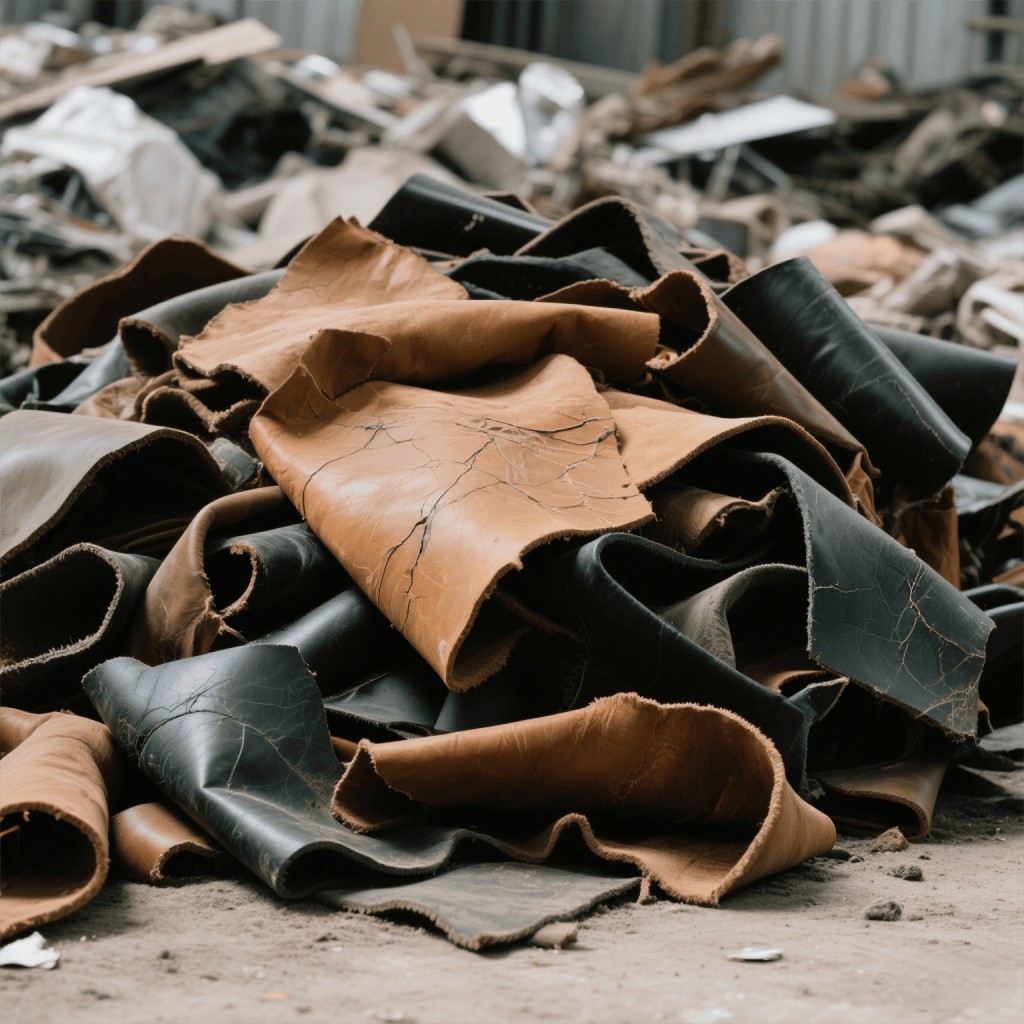
Post-consumer recycling involves materials that have been used by consumers, discarded, and then collected for reuse. Examples include plastic bottles, old clothing, or discarded handbags that are sorted, cleaned, and processed into new fabrics or components.
Pros of Post-Consumer Recycling:
- Directly reduces landfill waste and ocean pollution.
- Supports a circular economy by keeping materials in use.
- Aligns with consumer expectations for sustainability, as it tackles visible waste.
Cons of Post-Consumer Recycling:
- More complex and energy-intensive to process due to contamination (e.g., food residue, mixed materials).
- Quality can vary, making it harder to achieve consistent aesthetics or durability.
- Requires robust collection and sorting infrastructure, which is lacking in many regions.
A handbag made from post-consumer recycled PET (rPET) from plastic bottles, for instance, diverts waste from landfills and reduces the need for virgin plastic. However, the recycling process is more resource-intensive, and not all brands are transparent about the percentage of post-consumer content.

Leave A Message
If you are interested in our products and want to know more details, please leave a message here, we will reply you as soon as we can.