HONGLIBAG
How Can OEKO-TEX Certification Elevate Your Sustainable Handbag Business?
In today's fashion industry, consumers are increasingly concerned about what goes into the products they purchase. Have you ever wondered about the chemicals used in your favorite handbag? Or whether the manufacturing process harmed workers or the environment? These questions are becoming central to purchasing decisions, especially in the sustainable fashion sector.
As a handbag manufacturer or brand owner, demonstrating your commitment to sustainability isn't just good ethics—it's good business. But in a market flooded with vague "eco-friendly" claims, how can you genuinely prove your sustainable practices to skeptical consumers and business partners?
This is where credible third-party certifications become invaluable. Among these, OEKO-TEX certification stands out as one of the most respected standards for ensuring textile safety and sustainability in the fashion accessory industry.
This guide will walk you through everything you need to know about OEKO-TEX certification for sustainable handbags, providing actionable insights to help you make informed decisions for your brand's sustainable journey.
What is OEKO-TEX Certification?
Founded in 1992, OEKO-TEX is not a single certification but rather a union of 18 independent research and testing institutes based in Europe and Japan. These institutes collaborate to establish comprehensive standards for sustainability and safety in textile production.
The organization's core mission is to "create trust in textiles and leather and in their production." OEKO-TEX Standard 100[1] In essence, they provide a framework that enables both businesses and consumers to make responsible choices that protect human health and the environment.
What truly distinguishes OEKO-TEX from other textile certifications is its unique focus on how fabrics are processed rather than just where the raw materials originate. This approach addresses a critical but often overlooked aspect of sustainability: the chemical processes involved in transforming raw materials into finished products.
For handbag manufacturers specifically, this certification offers a comprehensive way to verify and communicate that their products are safe for consumers, workers, and the environment. In an industry where greenwashing has unfortunately become common, OEKO-TEX provides independent, third-party verification that sustainability claims are genuine and substantiated.
The certification's global recognition also simplifies international trade, as it meets or exceeds regulatory requirements in most major markets. This means that OEKO-TEX certified handbags can more easily navigate the complex landscape of chemical regulations that vary from country to country.
Different Types of OEKO-TEX Certifications
When it comes to sustainable handbag manufacturing, not all certifications are created equal. OEKO-TEX offers several distinct certification standards, each addressing different aspects of textile and leather production.
Different Types of OEKO-TEX Certifications
When it comes to sustainable handbag manufacturing, not all certifications are created equal. OEKO-TEX offers several distinct certification standards, each addressing different aspects of textile and leather production.
- STANDARD 100 by OEKO-TEX
The STANDARD 100 is perhaps the most widely recognized OEKO-TEX certification. This certification focuses specifically on the absence of harmful substances in textiles and textile accessories, including handbags and their components.
What makes STANDARD 100 particularly rigorous is its comprehensive approach—every single component of a certified product must comply with the strict criteria. This means not just the outer fabric of a handbag, but also the lining, threads, buttons, zippers, labels, and any other accessories must all be tested and verified as free from harmful substances.
In my experience working with handbag manufacturers, STANDARD 100 certification provides the most immediate value for brands looking to enter the sustainable fashion market. It addresses the primary consumer concern of product safety while establishing a foundation for broader sustainability initiatives.
- STeP by OEKO-TEX
STeP (Sustainable Textile & Leather Production) certification focuses on the production facilities themselves rather than the end products. This modular certification system evaluates production sites across six key areas:
1.Chemical management
2.Environmental performance
3.Environmental management
4.Social responsibility
5.Quality management
6.Health protection and workplace safety
For handbag manufacturers with their own production facilities, STeP certification demonstrates a holistic commitment to sustainable production practices.
- LEATHER STANDARD by OEKO-TEX
Specifically designed for leather products, the LEATHER STANDARD certification applies the same rigorous testing for harmful substances as STANDARD 100, but with parameters tailored to leather production processes. This is especially relevant for handbag manufacturers working with leather or leather alternatives.
The Certification Process
For handbag manufacturers considering OEKO-TEX certification, understanding the application and verification process is essential for successful implementation.
- Application Procedure
The certification process begins with a voluntary application submitted by the manufacturer to one of the 18 OEKO-TEX member institutes. This initial step requires careful preparation and documentation of your products and manufacturing processes.
This preparation should include:
1.Product inventory assessment: Documenting all materials, components, and chemicals used in your handbag production
2.Supply chain mapping: Identifying all suppliers and subcontractors involved in your production process
3.Pre-assessment gap analysis: Conducting internal testing to identify potential compliance issues before formal application
- Testing Methodology and Criteria
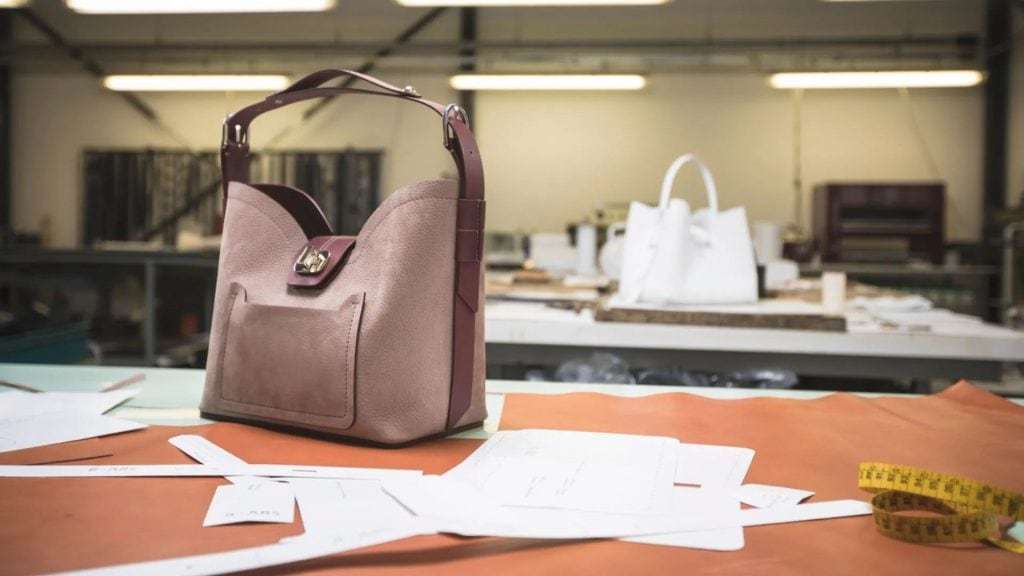
Once your application is submitted, the OEKO-TEX institute will request samples of all components used in your handbags for laboratory testing. This comprehensive testing is what gives OEKO-TEX certification its credibility and value.
For handbags, which may have varying levels of skin contact depending on design and usage, testing parameters are carefully calibrated to ensure appropriate safety standards. The testing covers hundreds of substances, including banned azo dyes, formaldehyde, pesticides, heavy metals, and more.
What's particularly noteworthy about OEKO-TEX testing is that it often goes beyond national regulations, testing for substances that may not yet be legally restricted but are known or suspected to be harmful to human health. OEKO-TEX testing standards[2]
- Facility Audits and Ongoing Compliance
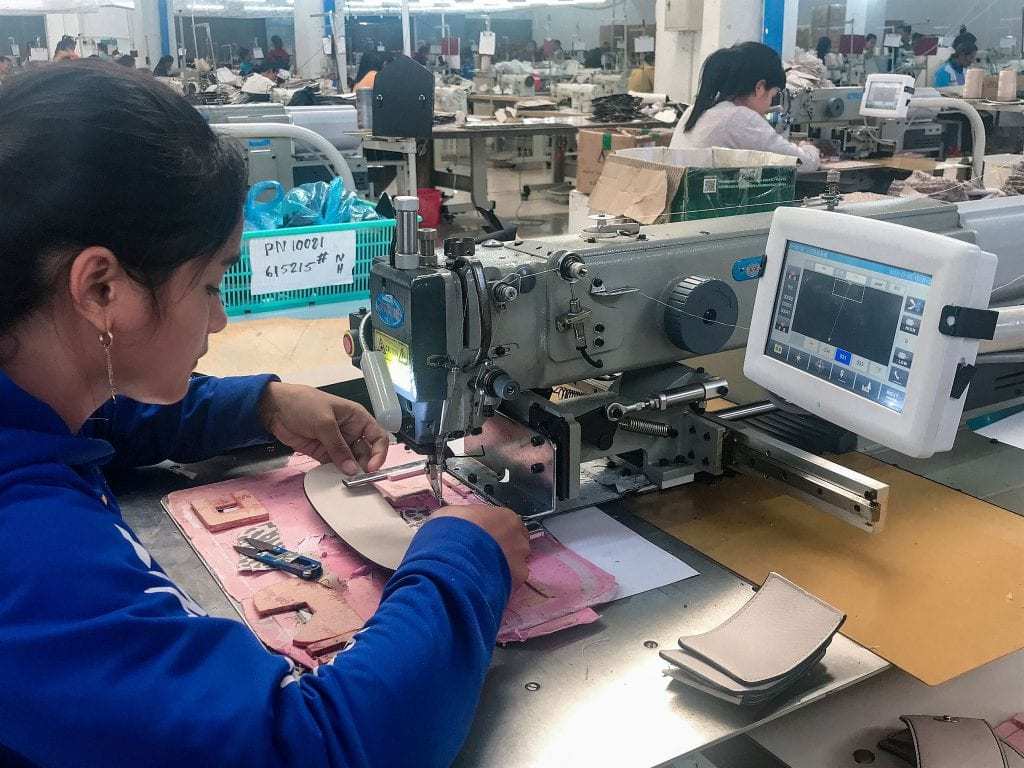
For certifications like STeP or MADE IN GREEN, which evaluate production processes and working conditions, on-site facility audits are a critical component of the verification process.
OEKO-TEX certification is not a one-time achievement but an ongoing commitment. Certificates are valid for one year and must be renewed annually through a simplified re-certification process. This ensures that certified products and facilities maintain compliance with the latest standards, which are updated at least once per year to reflect new scientific findings and regulatory changes.
Additionally, OEKO-TEX conducts unannounced audits and random testing of at least 25% of all certified products annually. This ongoing verification helps maintain the integrity and credibility of the certification.
Benefits of OEKO-TEX for Handbag Manufacturers
In today's competitive fashion accessories market, OEKO-TEX certification offers numerous strategic advantages that extend far beyond simple environmental compliance.

Enhanced Brand Reputation and Consumer Trust
Perhaps the most immediate benefit of OEKO-TEX certification is the credibility it lends to sustainability claims. In an era where consumers have grown skeptical of vague "eco-friendly" marketing, third-party certification provides independent verification that builds genuine trust.
For handbag manufacturers supplying to retail brands, this credibility transfers directly to your B2B relationships. Retailers increasingly face pressure from their own customers to verify sustainability claims, making certified suppliers more attractive partners.
I've witnessed firsthand how certification can transform buyer perceptions during trade shows and B2B meetings. When potential clients see the OEKO-TEX label, conversations immediately shift from questioning sustainability claims to discussing design, quality, and business terms—a significant advantage in competitive sales environments.
Competitive Advantage in the Sustainable Market
The sustainable fashion market continues to grow at an impressive rate, with conscious consumers willing to pay premium prices for verified sustainable products. OEKO-TEX certification[3] positions handbag manufacturers to capture this growing market segment.
This advantage is particularly pronounced in certain geographic markets and retail channels:
- European markets, where sustainability certification is often expected
- Premium department stores with stringent supplier requirements
- E-commerce platforms with dedicated sustainable shopping categories
- Corporate gift and promotional product markets, where brand reputation concerns drive purchasing decisions
Risk Reduction and Regulatory Compliance
Beyond marketing advantages, OEKO-TEX certification significantly reduces various business risks for handbag manufacturers:
Regulatory Compliance Risk: Chemical regulations vary widely across global markets and continue to evolve rapidly. OEKO-TEX standards typically exceed regulatory requirements in most markets, providing a buffer against regulatory changes.
Reputational Risk: In the age of social media, a single incident involving harmful chemicals or unethical production practices can cause lasting damage to brand reputation. Certification helps mitigate this risk through verified compliance with safety and sustainability standards.
OEKO-TEX certification simplifies this complexity by testing for a comprehensive range of substances that meets or exceeds regulations in most major markets. This creates an efficient "compliance passport" that facilitates international trade and reduces the need for market-specific testing and documentation.
How to Choose OEKO-TEX Certified Handbags
For brands and retailers looking to incorporate sustainable handbags into their product lines, selecting the right OEKO-TEX certified products requires knowledge and careful evaluation.
Understanding Certification Labels and Markings
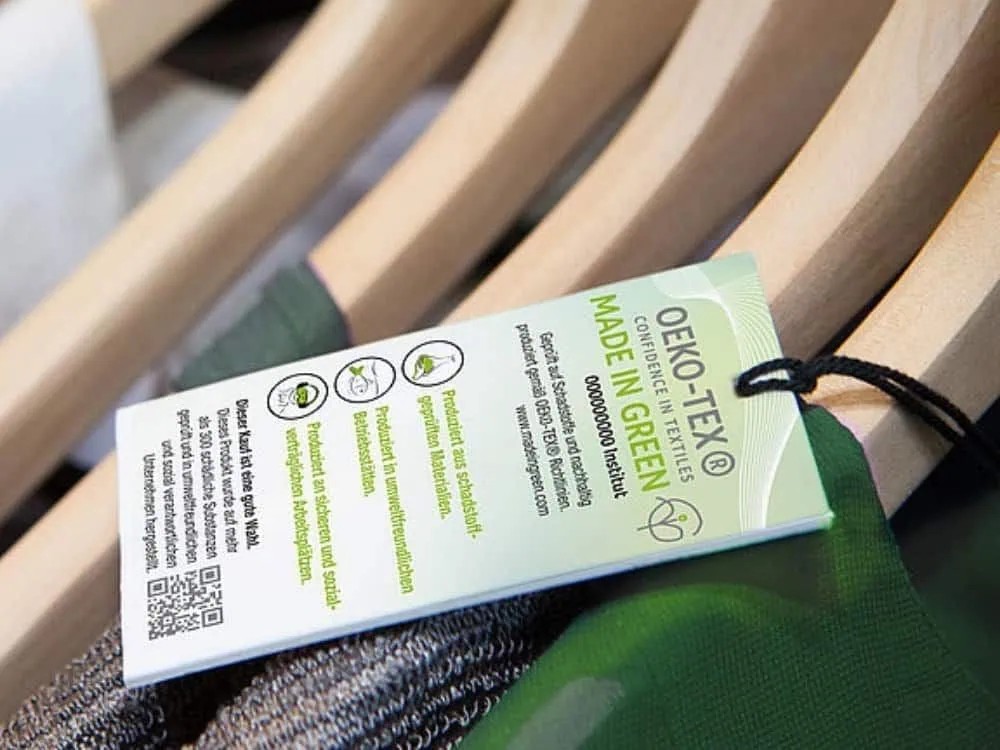
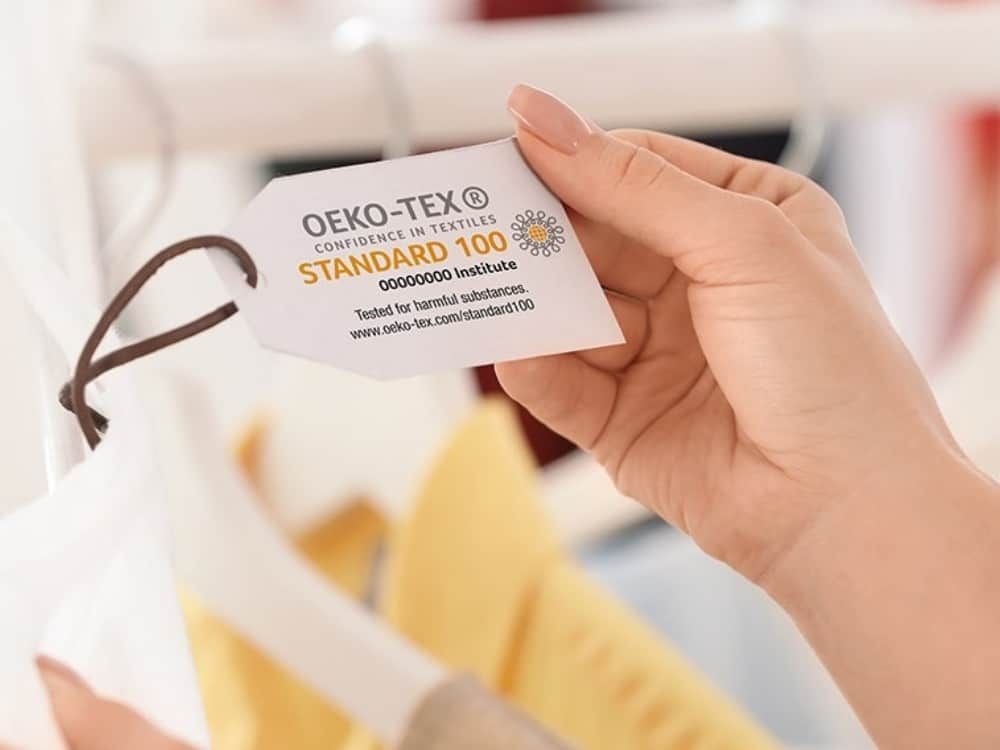
The first step in selecting OEKO-TEX certified handbags is understanding how to identify genuine certification. Authentic OEKO-TEX certified products will display specific labeling that includes:
- The specific certification type (e.g., STANDARD 100, MADE IN GREEN)
- A unique certification number
- The issuing OEKO-TEX institute
- The validity period of the certification
For MADE IN GREEN certified products, the label will include a QR code or product ID that allows for supply chain traceability. This feature is particularly valuable for retailers who want to provide their customers with transparent information about product origins.
Essential Questions for Suppliers and Manufacturers
When evaluating potential suppliers of sustainable handbags, asking the right questions about their OEKO-TEX certification can reveal much about their commitment to sustainability and compliance:
1.Which specific OEKO-TEX certification(s) do your products have? (Different certifications verify different aspects of sustainability)
2.Can you provide the certification number and validity period? (This allows for verification through the OEKO-TEX website)
3.Which components and materials are covered by the certification? (Ideally, all components should be certified)
4.Do you have the original certification documents available for review? (Legitimate manufacturers will readily share these)
5.How long have you maintained OEKO-TEX certification? (Longer certification history often indicates deeper commitment)
In our experience working with various manufacturers, those who can provide detailed, transparent answers to these questions typically prove to be more reliable partners for sustainable product lines.
Verification Methods and Common Misconceptions
Given the premium value associated with certified sustainable products, it's unfortunately common to encounter misleading or fraudulent certification claims. To protect your business and maintain the integrity of your sustainability initiatives, verification is essential.
The most direct verification method is checking the certification number through the official OEKO-TEX website[3] or mobile app. Every valid certification has a unique number that can be verified through these channels, confirming both authenticity and current validity.
In our conversations with brands and retailers, we've encountered several persistent misconceptions about OEKO-TEX certification that can lead to procurement mistakes:
- Misconception 1: All OEKO-TEX certifications are equivalent Reality: Different OEKO-TEX certifications verify different aspects of sustainability. STANDARD 100 focuses on harmful substances, while MADE IN GREEN encompasses environmental practices and working conditions.
- Misconception 2: Certification guarantees complete sustainability Reality: While OEKO-TEX certification verifies important aspects of sustainability, it doesn't address all environmental impacts. For example, STANDARD 100 doesn't specifically address carbon footprint or water usage unless combined with other certifications.
Conclusion: The Future of Sustainable Handbags Through Certification
As we've explored throughout this guide, OEKO-TEX certification represents far more than just another label or marketing claim in the sustainable fashion landscape. It offers a robust, scientifically-backed framework for verifying and communicating genuine sustainability in handbag manufacturing—a critical asset in an industry where consumer skepticism about environmental claims continues to grow.
The fashion accessories industry stands at a pivotal moment in its sustainability journey. Consumers increasingly demand transparency and verification of sustainability claims, while regulatory frameworks around chemical safety and environmental impact continue to evolve globally. In this context, third-party certification has transitioned from a nice-to-have differentiator to an essential business tool for forward-thinking manufacturers and brands.
For handbag manufacturers specifically, OEKO-TEX certification offers a pathway to demonstrate genuine commitment to sustainability while accessing new market opportunities. The investment in certification yields returns through enhanced brand reputation, risk reduction, regulatory compliance, and market differentiation—tangible business benefits that complement the ethical imperative of sustainable production.
At Handbagio, we've witnessed firsthand how certification has transformed our business relationships and opened doors to premium markets. Our journey toward comprehensive sustainability certification continues to evolve as standards advance and new innovations emerge in sustainable materials and processes.
For brands and retailers considering sustainable handbags for their product lines, our advice is clear: prioritize certified products from manufacturers with demonstrated commitment to sustainability. The investment in verified sustainable products pays dividends not just in risk reduction and compliance but in authentic brand storytelling and consumer trust.
We invite you to explore Handbagio's range of OEKO-TEX certified sustainable handbags and discover how our commitment to verified sustainability can support your brand's journey toward a more responsible and prosperous future.
Leave A Message
If you are interested in our products and want to know more details, please leave a message here, we will reply you as soon as we can.