HONGLIBAG
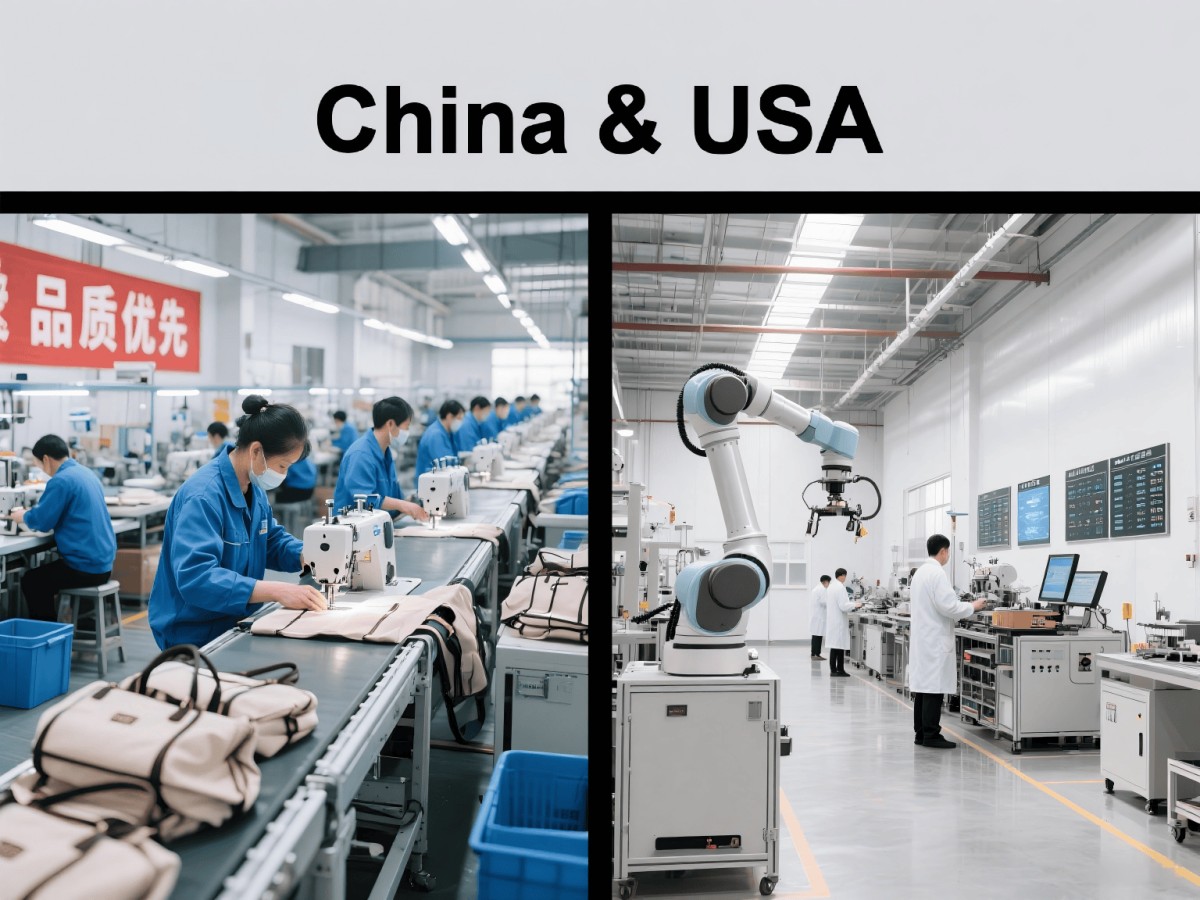
Choosing between USA and China for tote bag manufacturing is tough. The wrong choice hurts your budget and timeline. Let’s break down the real factors for a smart decision.
The best choice depends on your priorities. China often has lower unit costs but comes with longer lead times and higher risks. The USA offers speed and control, but typically at a higher price. This guide helps you weigh the trade-offs.
This is a conversation I have almost every day with brand owners at Handbagio. So many people get stuck here. I remember a client, let's call him Joseph, who was launching a new line of premium golf accessories. He was absolutely convinced that manufacturing in China was the only way to make his numbers work. We sat down, and instead of just looking at the price per bag, we mapped out the entire process from factory to warehouse. Looking at the full picture—cost, quality, speed, and risk—is the only way to make a decision you won't regret. Let's walk through the same four points I discussed with him.
The Cost Equation: Is China Really Cheaper? (Comparing Unit Price, Tariffs, and Total Landed Cost)?
You see a low unit price from China and think it's a great deal. But hidden fees like tariffs and shipping can quickly erase all those initial savings.
China is not always cheaper once you calculate the Total Landed Cost. This figure includes the unit price plus shipping, insurance, customs duties, and tariffs. USA suppliers have higher unit prices but fewer of these extra fees, sometimes making them more competitive overall.
Let's break down the true cost of a tote bag. The number on the factory's invoice is just the beginning. The most important number you need to know is the Total Landed Cost. This is the final price per bag once it arrives at your warehouse door. It's the only way to do a fair comparison. If you ignore this, you're setting your business up for a nasty financial surprise.
Beyond the Unit Price
The Unit Price from a Chinese factory will almost always be lower. This is due to lower labor costs and a massive, efficient manufacturing ecosystem. For many, this is the main attraction. However, this is just one piece of the puzzle. You have to add all the other costs to get your goods from the factory floor to your hands.
Calculating the Real Cost
The real cost includes shipping, insurance, and taxes. Ocean freight from China can be slow and expensive. Then comes customs. You have to pay duties and tariffs, which are taxes imposed on imported goods. These can change based on politics and can sometimes be a significant percentage of your order's value. We at Handbagio always advise clients to work with a customs broker to get an accurate estimate before placing an order.
Here’s a simplified breakdown:
The Quality Control Showdown: From Fabric Weight to Stitching, What Can You Actually Expect?
You need high-quality bags to represent your brand. But you're worried about inconsistent products, poor stitching, or getting something different from what you approved in the samples.
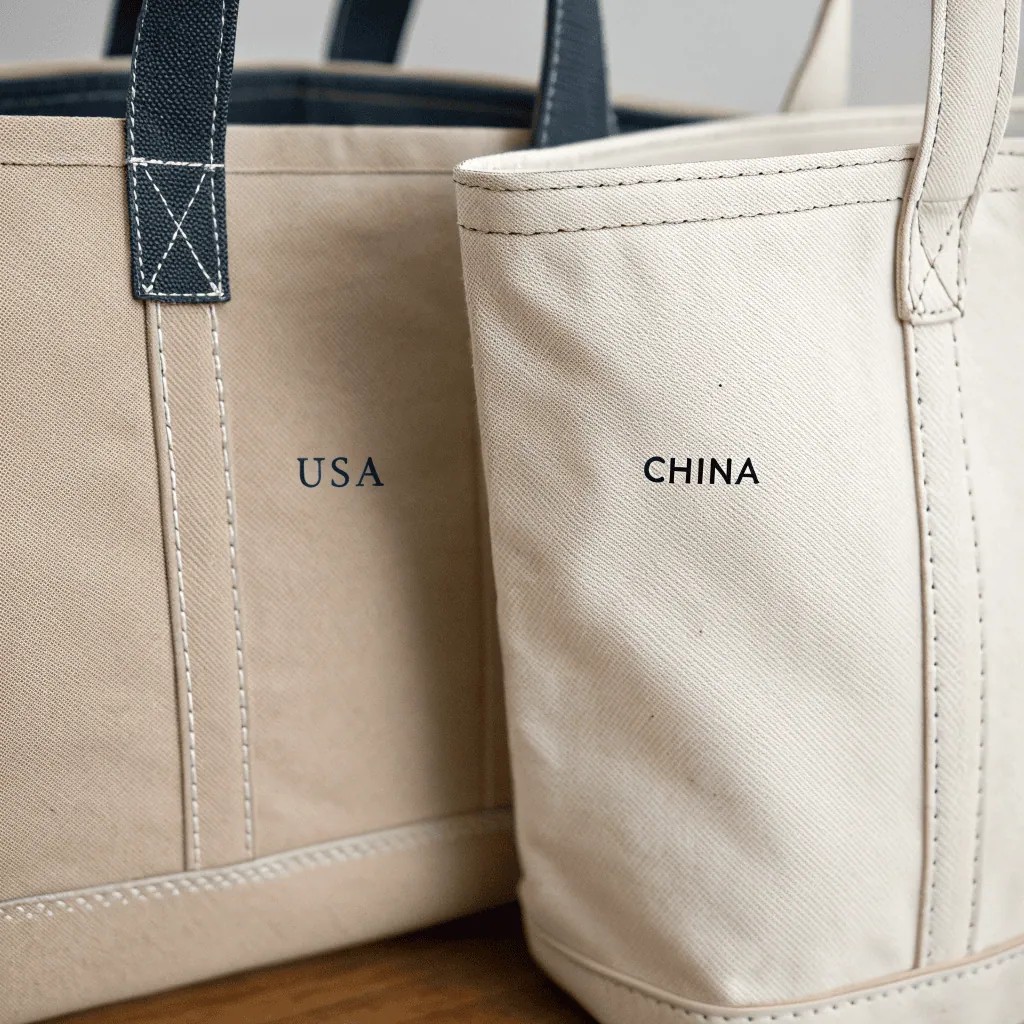
You can get high quality from both countries, but it requires different levels of effort. USA manufacturing often offers more consistent quality and easier oversight. With China, you must have very clear specifications and a rigorous inspection process to ensure good results
 |
|
Quality isn't about one country being "better" than the other. It's about communication, specifications, and oversight. I've seen amazing, high-end bags come from China and poorly made bags come from the USA. The real difference is how you manage the quality control process. You can't just send a logo and hope for the best. You need to be extremely specific.
Setting Your Quality Standard
You have to define what "quality" means for your product. This includes details like:
- Fabric Weight: Are you using a lightweight 5 oz. cotton or a heavy-duty 14 oz. canvas? Specify the exact weight.
- Stitching: Specify the stitches per inch (SPI). A higher SPI usually means a stronger seam. Ask for reinforced stitching on the handles.
- Color: Provide exact Pantone color codes for your fabric and logo.
In my experience, providing a detailed "tech pack" with all these specifications is non-negotiable, especially when working with overseas factories.
The Management Difference
With a USA supplier, managing quality is simpler. You can easily visit the factory, speak the same language, and quickly resolve issues. If a batch of bags has a problem, you can often get it fixed in days.
With a Chinese supplier, you are thousands of miles away. Factory visits are expensive. This makes third-party inspection services essential. These services send an agent to the factory to inspect your goods before they ship. It's an added cost, but it's your best insurance against receiving thousands of faulty bags. At Handbagio, we offer this as part of our sourcing service because it’s a critical step for protecting our clients' brand reputation.
The Race Against Time: How Do Production Speed, Shipping, & Customs Delays Compare?
You have a launch date for your new product. A delay of weeks or even months would be a disaster for your marketing campaign and your cash flow.
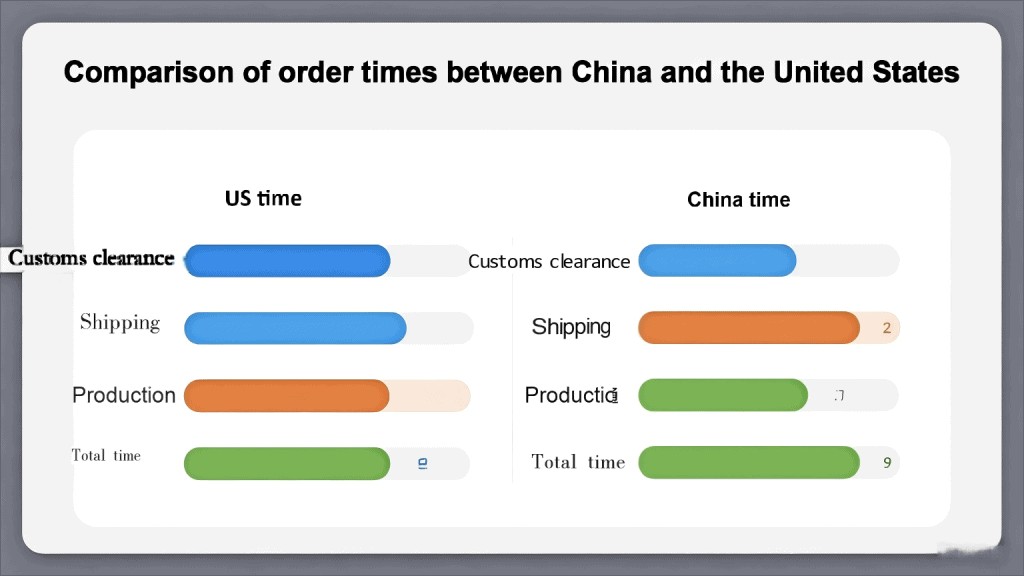
USA manufacturing is significantly faster, with total lead times of 4-8 weeks. Sourcing from China takes much longer, typically 12-16 weeks or more, due to ocean shipping and potential customs delays. The USA wins the race against time, hands down.
Time is money. For many businesses, especially those launching a new product or preparing for a holiday season, speed is everything. I once worked with a client who needed tote bags for a big Earth Day event. They tried to save money by ordering from overseas, but the shipment got stuck in customs for three weeks. They missed their event completely. This is a real risk you need to consider.
Production and Shipping Timelines
Let’s break down the timeline for a typical tote bag order.
With USA manufacturing, the process is straightforward. Production might take 3-6 weeks. Shipping is done via truck and usually takes less than a week. The entire process, from order to delivery, can be as fast as 4-8 weeks.
With Chinese manufacturing, each step takes longer. Production can be quick, maybe 4-6 weeks. But then the goods have to be transported to a port, loaded onto a container ship, and sailed across the ocean. That sea journey alone takes 3-5 weeks. After arriving, the goods must clear customs, which can take a few days or, if there's a problem, a few weeks. Then you have another week of ground shipping. The total time is typically 12-16 weeks, and that’s if everything goes smoothly.
Beyond the Price Tag: Calculating Your Risk Profile for Each Country?
You're focused on cost, but you have a nagging feeling there are other risks you haven't considered. What about communication barriers, intellectual property theft, or political instability?
Your risk is much lower with a USA supplier due to strong IP laws, easy communication, and stable trade. Sourcing from China involves higher risks, including potential IP theft, communication challenges, and geopolitical tensions that can suddenly impact tariffs and supply chains.
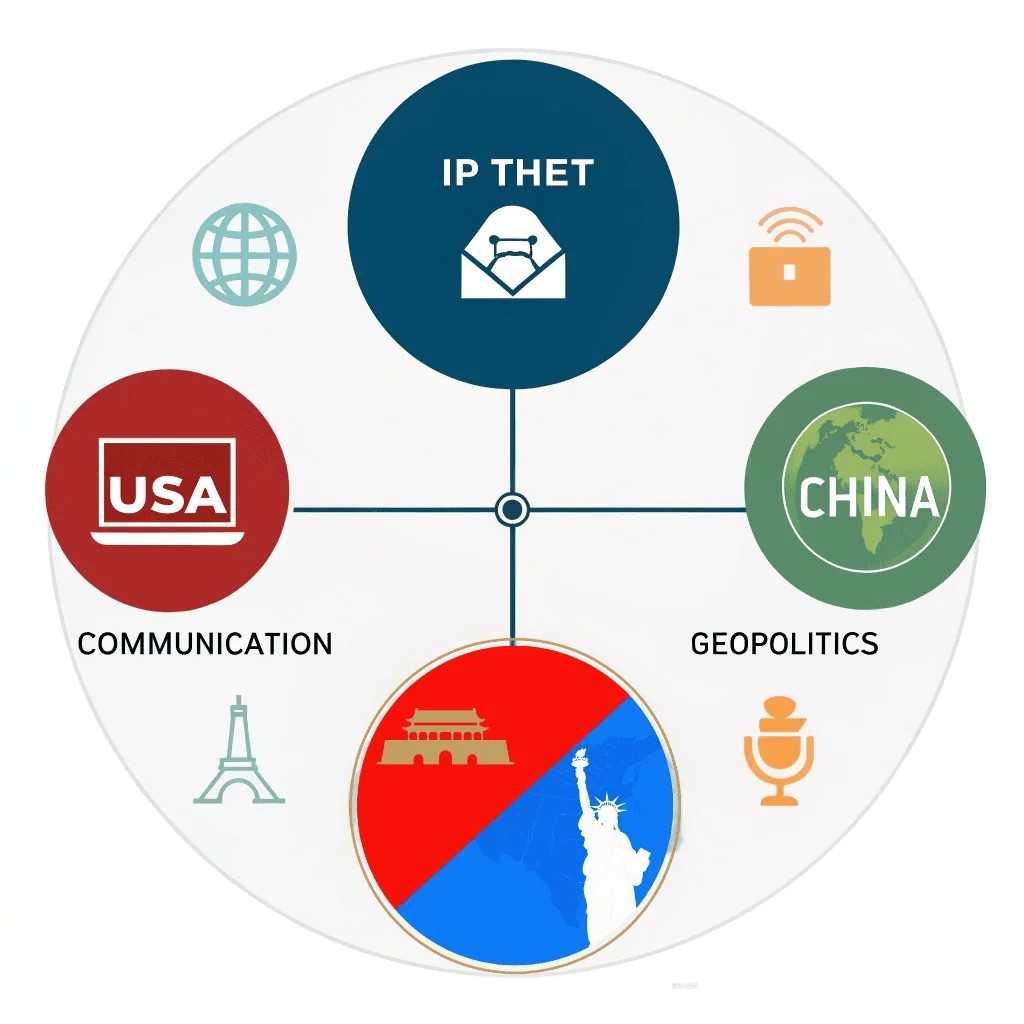
This is the final, crucial gut-check. As much as we love spreadsheets, business is also about managing risk. At Handbagio, we believe in building resilient supply chains, and that means being honest about the potential problems. We are advocates for creating a better world, and that includes creating stable, ethical business relationships. Your risk profile goes far beyond the numbers on an invoice.
Let's calculate your risk by looking at a few key areas.
Key Risk Factors
Intellectual Property (IP) Protection: In the USA, your designs and logos are strongly protected by law. In China, IP theft is a known risk. There's a chance another factory could copy your unique bag design and sell it to competitors.
Communication & Culture: Working with a USA supplier means you're in the same time zone and speak the same language. This makes solving problems fast and easy. With a Chinese supplier, you have to navigate a 12-hour time difference and potential language barriers, which can slow everything down.
Supply Chain & Geopolitical Risk: The relationship between the USA and China can be unpredictable. New tariffs or trade policies can appear with little warning, suddenly making your products more expensive or delaying them. A domestic supply chain is insulated from these specific international risks.
Use this simple checklist to think about your own risk tolerance:
Conclusion
Your choice between China and the USA is a strategic trade-off. Weigh the cost savings against the risks in speed, quality control, and communication to find the right fit.
Leave A Message
If you are interested in our products and want to know more details, please leave a message here, we will reply you as soon as we can.