HONGLIBAG
Your custom tote bag looks just like everyone else's. You've invested in great bags, but the branding falls flat. Let’s find the perfect printing method to truly elevate your brand.
The best way to make your tote bag pop is to match the printing method to your design, budget, and brand identity. Screen printing is great for bold, simple logos, while digital printing excels with complex, colorful art. Heat transfer and embroidery offer unique textures and premium finishes.
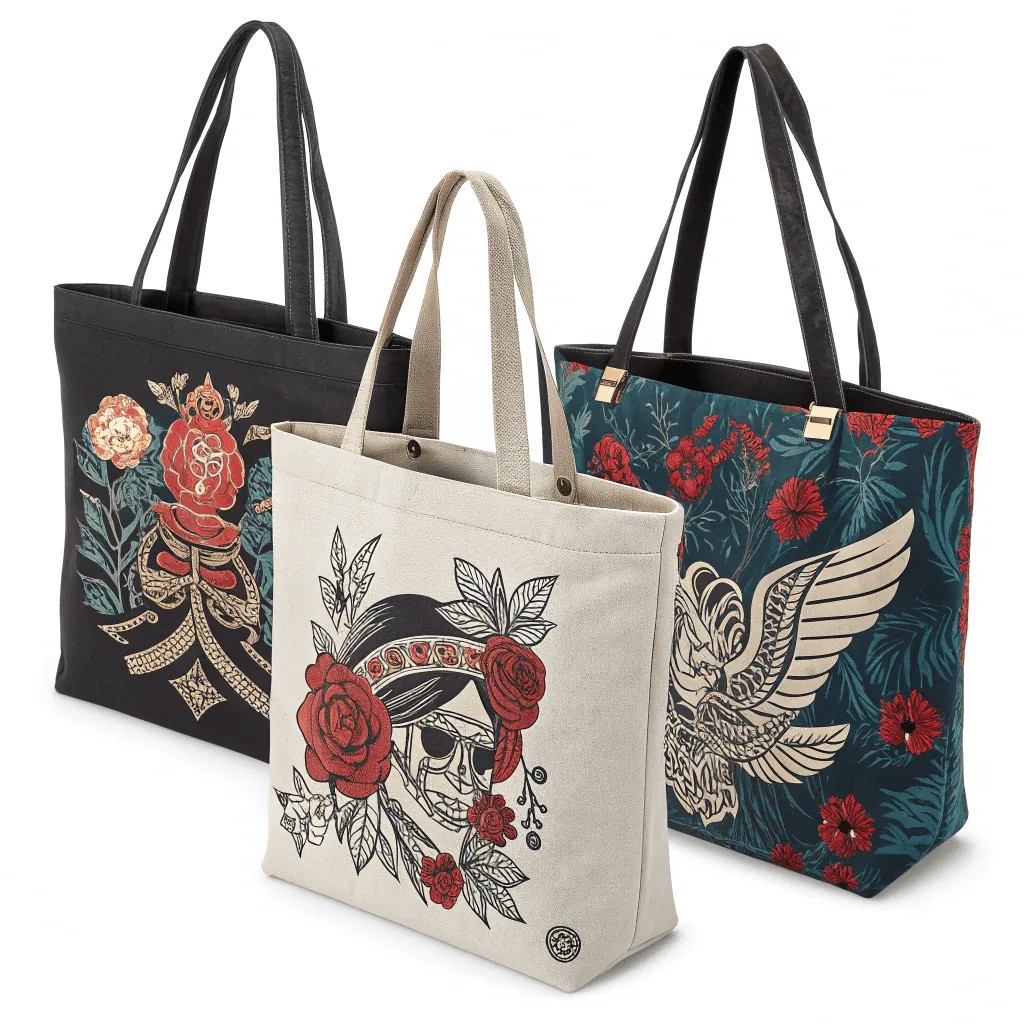
Choosing a printing method can feel overwhelming. I see it all the time with my clients. They have a brilliant logo but are stuck on how to get it onto a tote bag in a way that looks amazing and fits their budget. It's a critical step. The right choice makes your brand look professional and memorable. The wrong one can look cheap or misrepresent your brand's quality. I'm here to walk you through the four main options, just like I do for all the brands I work with at Handbagio. We’ll break it down so you can feel confident in your decision. Let’s get started.
Screen Printing vs. Digital Printing: Which is Better for Your Logo?
Your logo needs to look crisp and professional. But the choice between screen printing and digital printing is confusing. Let’s make it simple and find the best fit for you.
For simple logos with one to three solid colors, choose screen printing for its vibrant look and durability, especially on large orders. For detailed, multi-color, or photo-realistic logos, digital printing is better because it has no color limits and lower setup costs.
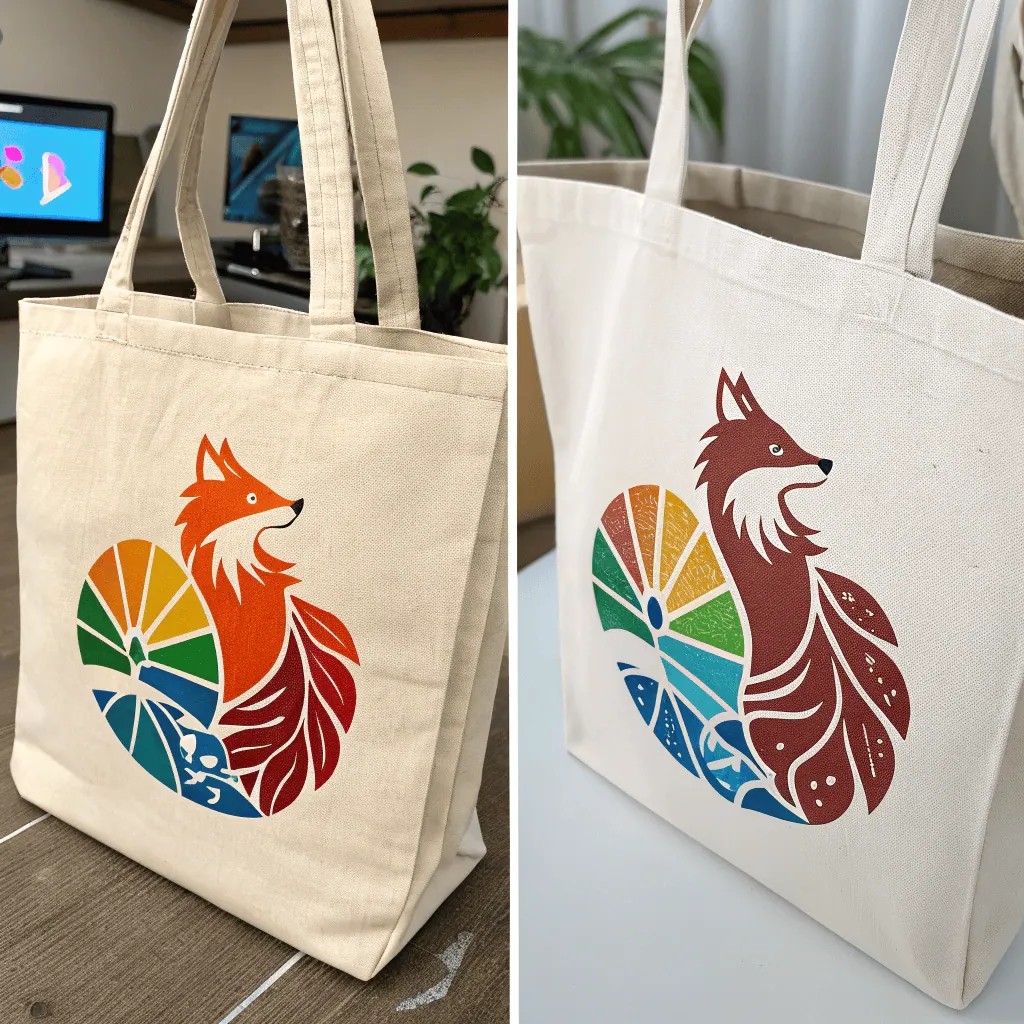
Let's dive deeper into these two popular methods. They are the workhorses of the tote bag world, and I help clients decide between them every single day. Think of it like painting. Screen printing is like using a stencil, while digital printing is like using a high-tech inkjet printer.
Screen Printing: The Bold Classic
Screen printing works by pushing ink through a mesh screen onto the fabric. A separate screen is made for each color in your design. This is why it’s best for designs with fewer colors. It’s a method I often recommend to brands that have a bold, graphic logo. The ink sits on top of the fabric, creating a slightly raised, tactile feel that is incredibly durable. I have one of our early Handbagio totes from five years ago, screen printed with our slogan, and it still looks as good as new, even after countless grocery trips.
Digital Printing: The Detailed Artist
Digital printing, or Direct-to-Garment (DTG), works much like your office printer. It sprays the ink directly onto the fabric, allowing for millions of colors and incredible detail. I remember helping a local artist who wanted to put her beautiful watercolor paintings on our eco-friendly canvas totes. For her, digital printing was the only option. It perfectly captured every subtle color gradient and brushstroke. There’s almost no texture, as the ink soaks into the fibers.
Here’s a simple table to help you decide:
When Does Heat Transfer or Embroidery Make More Sense?
You want a look that stands out from the crowd. But screen or digital printing doesn't feel special enough. Let's explore two other options that add a unique, premium touch.
Heat transfer is perfect for small orders with full-color logos or for application on unusual materials. Embroidery offers a classic, high-end textured feel, making it the best choice for luxury branding or creating a durable, sophisticated image for your totes.
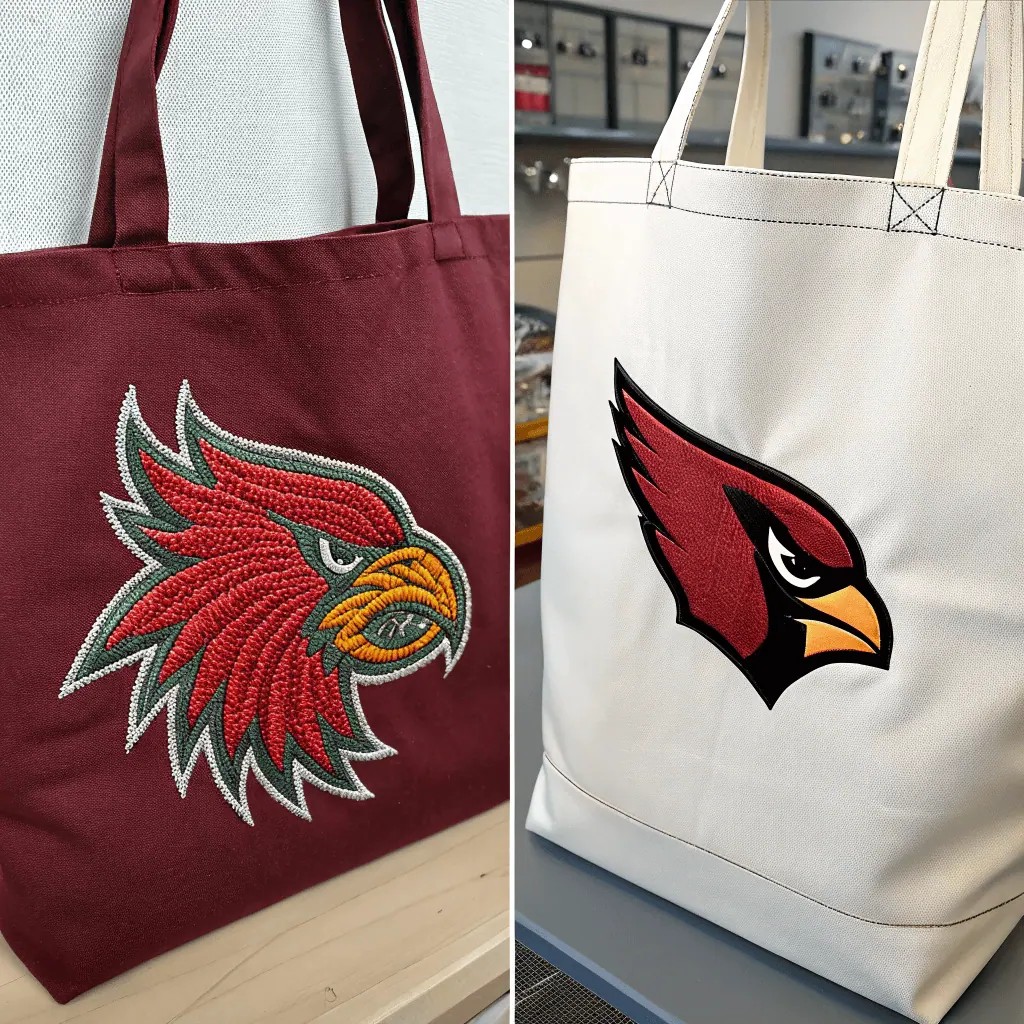
Sometimes, a brand needs something different. That's when I introduce them to heat transfer and embroidery. These aren't just printing methods; they are ways to add texture and a distinct personality to your tote bag. They signal a different kind of quality.
When to Choose Heat Transfer
Heat transfer involves printing your design onto special transfer paper and then using heat and pressure to apply it to the bag. Think of it like a very high-quality, professional iron-on. The great thing about this method is its versatility. It can achieve vibrant, full-color designs, just like digital printing, but it's often more cost-effective for very small batches. I recently worked with a startup testing out five different logo designs on ten bags each. Heat transfer was the perfect solution—no high setup costs, and they got photo-quality results to see which design their customers liked best. It’s also great for creating special effects, like glossy, glitter, or metallic finishes.
The Case for Embroidery
Embroidery is in a class of its own. It uses thread to stitch your design directly into the fabric. It immediately says "premium" and "durable." The texture and dimension it creates can't be replicated by any ink. I have a client who runs a high-end boutique hotel. For their gift shop, we use our heavy-duty canvas totes with their elegant logo embroidered in a simple, tasteful navy thread. It elevates the bag from a simple carry-all to a luxury keepsake. Because the cost is based on the stitch count (the complexity and size of the design), it's best for logos and emblems rather than large, complex images. It’s a timeless choice for brands that value tradition and quality.
How Does Printing Method Affect Cost & Minimum Order Quantity (MOQ)?
Your budget is a major factor. You're worried about high upfront costs and being forced to order too many bags. Let's break down the numbers so you can invest wisely.
Screen printing has high setup fees but low per-unit costs on large orders (high MOQ). Digital and heat transfer have almost no setup fees, making them ideal for small orders (low MOQ). Embroidery costs are based on design complexity, not color count.
This is the part of the conversation where I really focus on helping my clients protect their investment. A beautiful design is wonderful, but it has to make financial sense for your business. The "best" printing method is often the one that aligns with your budget and order volume. Minimum Order Quantity, or MOQ, is the smallest number of units you can order. It’s a huge factor for new businesses.
Let's look at how these factors play out for each method.
Understanding the Costs
With Screen Printing, the main cost is in the setup. A new screen has to be created for every single color in your design. So, a one-color logo is much cheaper than a four-color one. But once those screens are made, the cost to print each additional bag is very low. This is why it’s so cost-effective for large orders—the setup cost gets spread out over hundreds of bags.
Digital Printing (DTG) and Heat Transfer are the opposite. There are virtually no setup costs. You can print just one bag with a full-color photograph for a reasonable price. However, the cost per bag doesn't decrease as dramatically with volume as it does with screen printing. This makes them perfect for on-demand printing, small runs, or testing ideas.
Embroidery costs are calculated differently. The price is based on the "stitch count"—how many stitches are needed to create your design. A large, dense logo will cost more than a small, simple one. The number of colors has less of an impact.
This table makes it crystal clear:
How Can You Match Your Printing Method to Your Brand’s Vibe?
You know the technical details and costs. But you're still not sure which method feels right. Let’s connect these printing methods to your brand's unique personality and story.
To match your brand's vibe, choose screen printing for an eco-conscious, crafty feel. Use digital printing for modern, innovative brands. Pick heat transfer for playful, trendy looks. Go with embroidery for a luxury, heritage, or established brand identity.
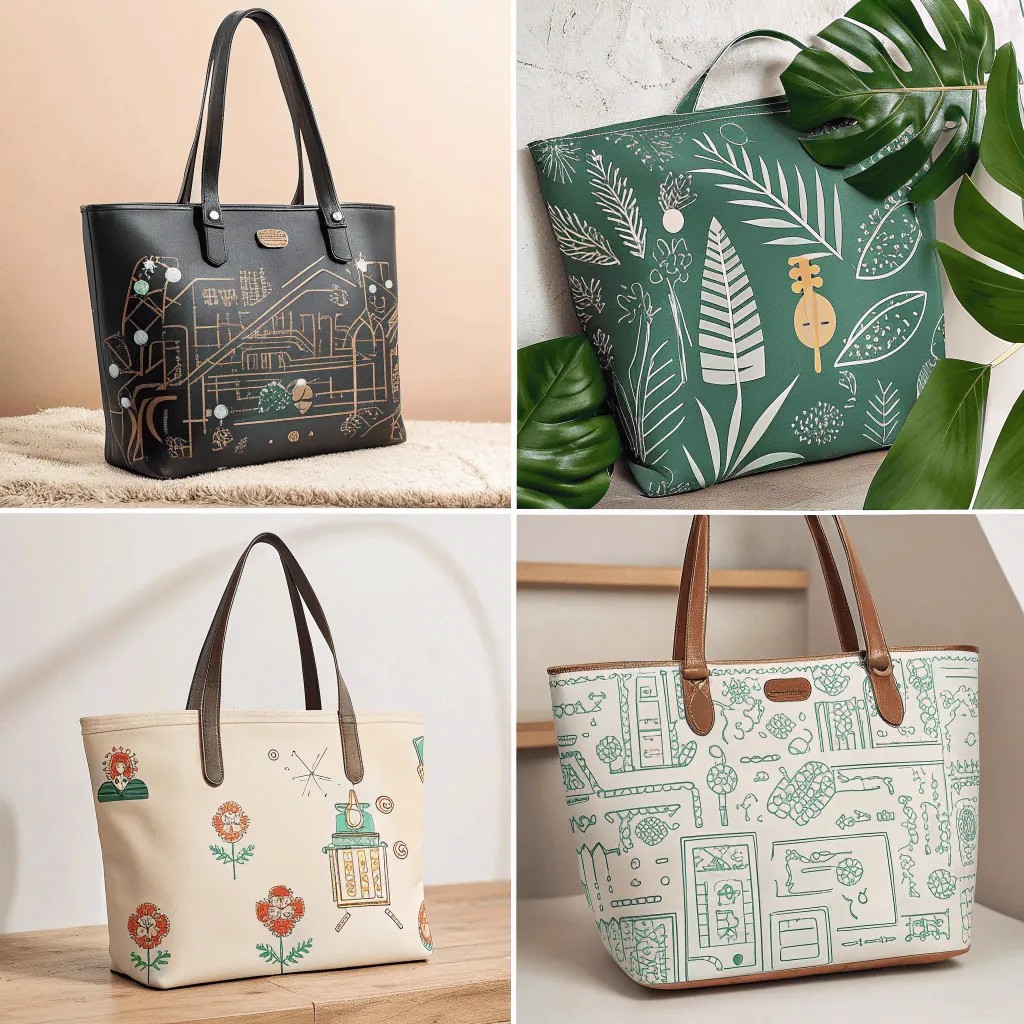
This is my favorite part of the process. We move beyond the technical specs and talk about feeling and identity. Your tote bag isn't just a product; it’s a messenger for your brand. As an environmentalist, I believe the materials and methods we choose tell a story. For our own Handbagio marketing, we often use screen printing with water-based inks. It fits our eco-conscious message perfectly—it’s classic, durable, and feels grounded. The method you choose should do the same for you.
Here is the ultimate cheat sheet to connect your brand's vibe to the perfect printing method.
The Ultimate Cheat Sheet for Brand Vibe
Think about your brand's core personality. Is it down-to-earth? Is it cutting-edge? Is it luxurious? Use that answer to guide your choice. This ensures your tote bag is not just carrying things, but also carrying your brand's message loud and clear. It’s how you make a lasting connection with your community. I once helped a brand that rescues stray animals, much like my personal passion for rescuing cats. They wanted a playful, heartwarming vibe. We used heat transfer to put colorful, fun illustrations of cats and dogs on their totes. It was perfect.
Use this table as your guide:
Conclusion
Choosing the right print method is a key business decision. Match the technique to your design, budget, and brand vibe to create a tote that people will love and use.
Leave A Message
If you are interested in our products and want to know more details, please leave a message here, we will reply you as soon as we can.