HONGLIBAG

How Do You Choose the Best Tote Bag Manufacturer?
Struggling to find a reliable tote bag manufacturer you can trust? The process can feel overwhelming, leaving you worried about quality, cost, and communication. This guide simplifies everything.
The best way to choose a tote bag manufacturer is to look for a partner, not just a supplier. A great partner has expertise in sustainable materials, offers transparent pricing, communicates clearly, and has a strong, verifiable quality control process. Always vet them thoroughly before committing.
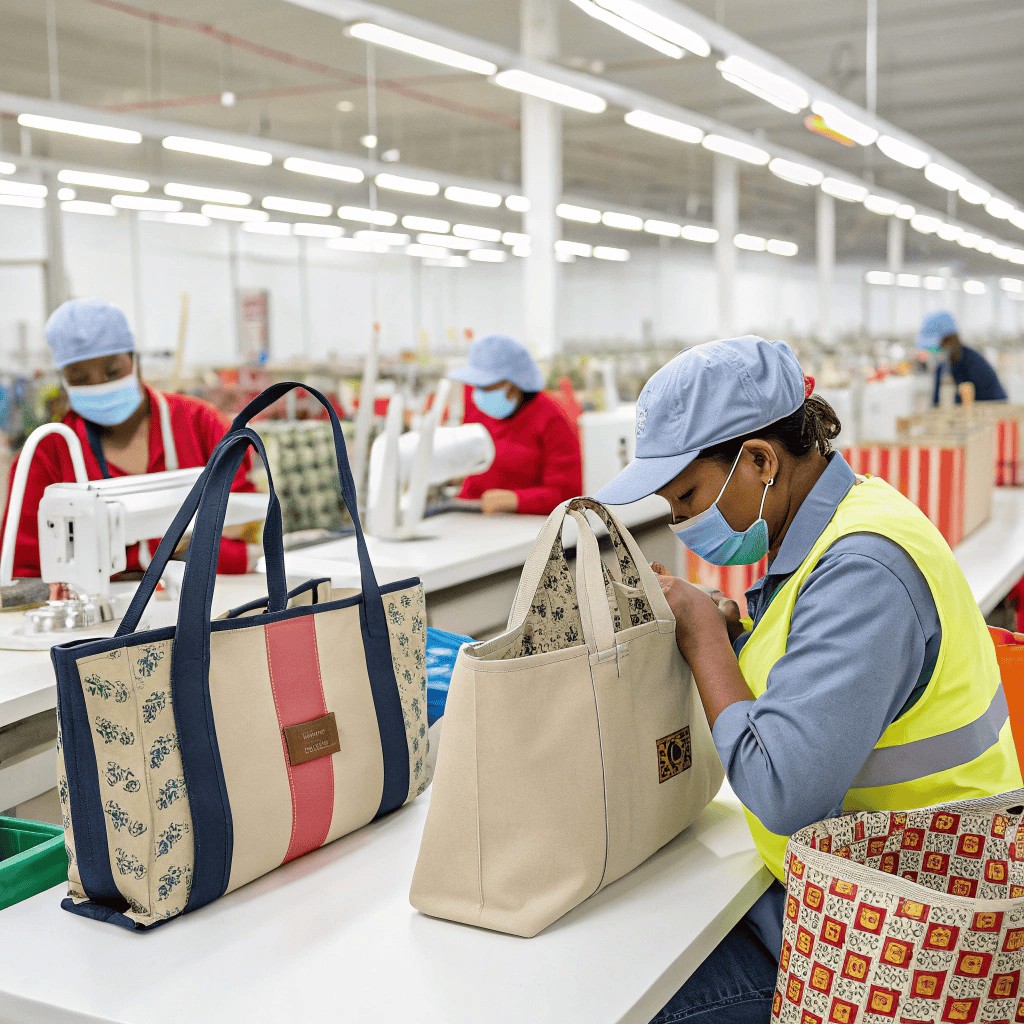
Choosing the right manufacturing partner is one of the most important decisions you will make for your brand. It's the foundation of your product. I've worked with hundreds of brand owners, many just like Salman who are passionate about their products, and helped them navigate this process. You need a partner who understands your vision and is committed to bringing it to life with quality and integrity. Let's break down exactly how you can find that perfect partner, step by step, so you can move forward with confidence.
How do you find the right tote bag Manufacturer partner?
You spend hours searching online, but every supplier website looks the same. You are worried about scams, poor quality, and language barriers, feeling stuck before you even begin.
You can find the best manufacturers on B2B platforms like Alibaba, by attending industry trade shows, or through trusted referrals. The key is to vet them carefully. Always ask for their business licenses, sustainability certifications (like GOTS or FSC), and order a physical sample to confirm their quality.
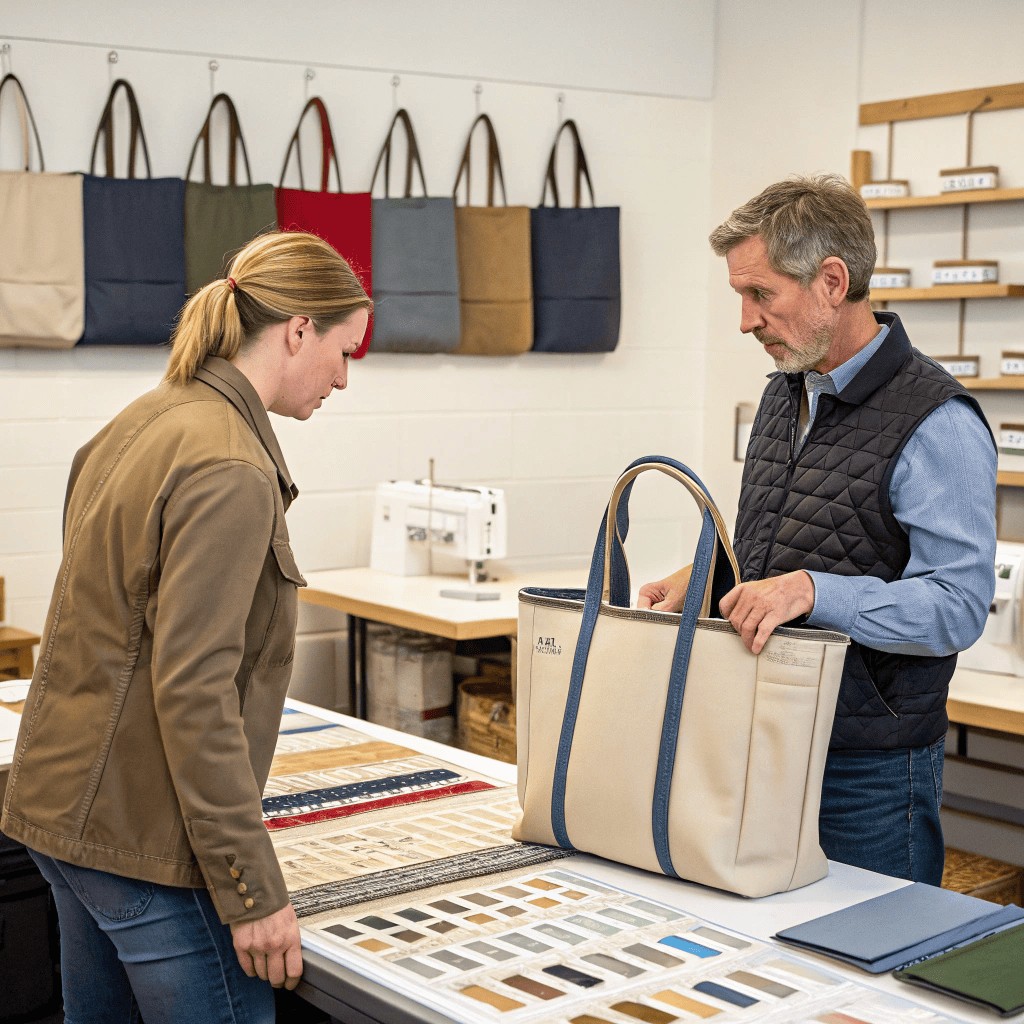
Finding a new partner can seem like a huge task, but breaking it down makes it manageable. From my experience helping clients in the U.S. and Canada, there are a few reliable methods. Each has its pros and cons, and the best choice often depends on your budget and timeline. It's not just about finding a factory; it's about finding your factory.
Online Platforms vs. Trade Shows
Online platforms are a great starting point. Websites like Alibaba give you access to thousands of suppliers instantly. The downside is that it can be hard to judge quality through a screen. I once helped a client vet three potential suppliers from Alibaba. We created a detailed questionnaire about their sustainable practices and material sourcing, which helped us quickly eliminate one who couldn't provide clear answers. Trade shows, on the other hand, are fantastic for building relationships. You can touch the materials and meet the team in person. The main drawbacks are the travel cost and time commitment.
Vetting Your Potential Partner
Once you have a shortlist, it's time to dig deeper. This vetting stage is critical. Don't be afraid to ask tough questions. A good partner will be happy to provide answers.
What are the real costs of manufacturing a tote bag?
You have a strict budget, but you are afraid of hidden fees. An unexpected charge for shipping or customs could completely wipe out your profit margins before you even launch.
The true cost of a tote bag goes beyond the per-unit price. It includes materials, labor, printing or embroidery, packaging, shipping, and import duties. Always ask your manufacturer for a detailed, itemized quote so you can see exactly where your money is going and avoid surprises.

Understanding cost is key to running a profitable business. Many people just look at the price per bag, but that's a mistake. I always provide my clients with a fully transparent cost breakdown. This builds trust and helps them budget effectively. Let's look at all the pieces of the puzzle so you can plan with confidence. There are fixed costs that you pay once and variable costs that you pay for every bag. Tools
Variable vs. Fixed Costs
Most of your cost is variable. This includes the material, which can range from affordable standard cotton to premium GOTS-certified organic canvas. The labor cost depends on how complex your bag is; a simple tote is cheaper to make than one with zippers and multiple pockets. Customization, like a multi-color screen print or detailed embroidery, will also add to the per-unit price. Fixed costs are usually one-time fees, like creating a new screen for your print design or a mold for custom metal hardware.
Don't Forget Shipping and Duties
I once worked with a client, Salman, who was launching a new brand. He was happy with the unit price but was shocked when he got the shipping invoice. It was almost 30% of his total cost! We worked together to re-pack the bags more efficiently, which reduced the shipment volume and saved him a significant amount of money. Shipping and import taxes are a major expense, so always get an estimate for them upfront.
Leave A Message
If you are interested in our products and want to know more details, please leave a message here, we will reply you as soon as we can.