HONGLIBAG
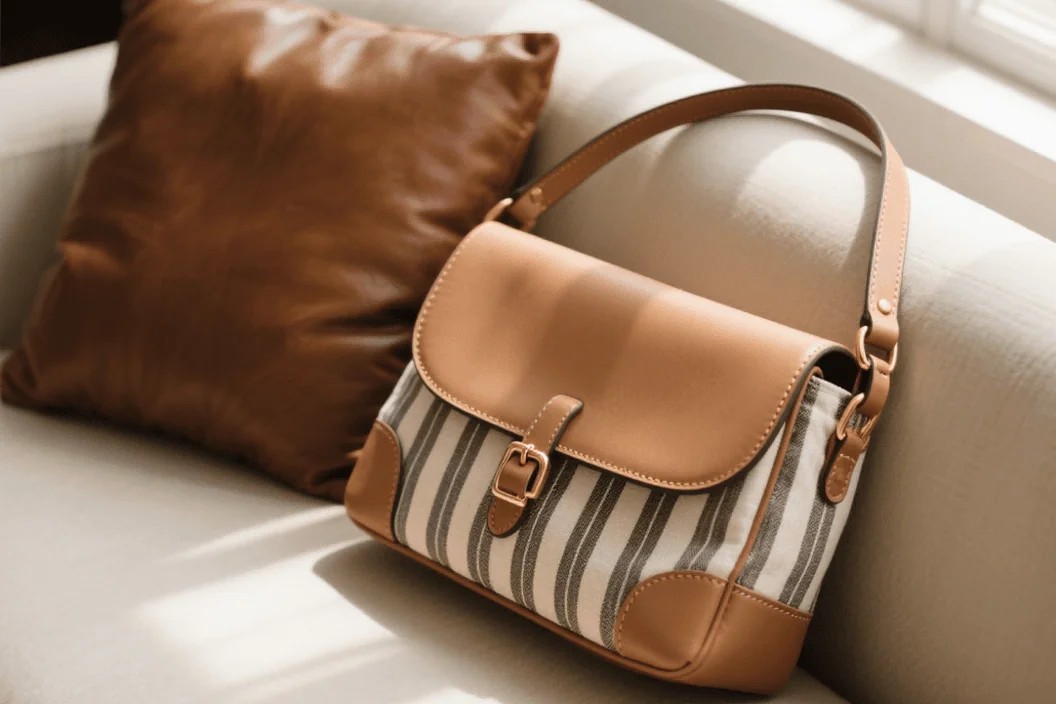
Vegan leather is taking over the fashion world—no animals harmed, no guilt, and let’s be honest, some of it looks just like the real thing. But… it’s not perfect. If you’ve ever had your vegan leather bag peel, crack, or smell funky after a few months, you’re not alone.
The good news? Most of these issues are totally fixable (and preventable). In this guide, we’ll break down the 5 most common vegan leather handbag problems, why they happen, and—most importantly—how to extend your bag’s lifespan without spending a fortune.
Why Vegan Leather Handbags Are Worth the Effort
Vegan leather—made from materials like polyurethane (PU), apple leather, or cactus leather—is a game-changer for sustainable fashion. It’s cruelty-free, often uses less water and energy than real leather, and can be super stylish. The global vegan leather market is expected to hit $89.6 billion by 2025, growing at a 49.9% CAGR (Grand View Research, 2024), so it’s no wonder brands and shoppers are jumping on board.
But here’s the catch: vegan leather can have quirks. From discoloration to weird smells, these bags sometimes need a little extra love to stay in top shape. The good news? With the right care, you can dodge these issues and keep your bag looking fab for years. Plus, fixing these problems is way cheaper than buying a new bag—and it’s better for the planet, too.
Problem #1: Discoloration (The "Sunburn" Effect)
Nothing’s more annoying than your once-vibrant vegan leather bag turning faded or splotchy. That bright red tote looking pinkish? Ugh.
Why it happens:
- UV Rays: Sunlight breaks down pigments, especially in cheaper PU-based vegan leather, causing fading or yellowing.
- Harsh Cleaners: Using the wrong cleaning products can strip color or leave stains.
- Low-Quality Dyes: Budget materials often use dyes that don’t hold up over time.
How to fix it:
✅ Store it right: Keep bags in a dust bag, away from windows.
✅ Clean gently: Use a pH-neutral cleaner (like this [brand] one).
✅ Touch-up trick: For small stains, try a vegan leather dye pen.
Prevention Tips
- Go for darker colors like black, navy, or charcoal—they fade slower than pastels or brights.
- Apply a UV-protectant spray (like Scotchgard’s PFC-free version) every few months to shield pigments.
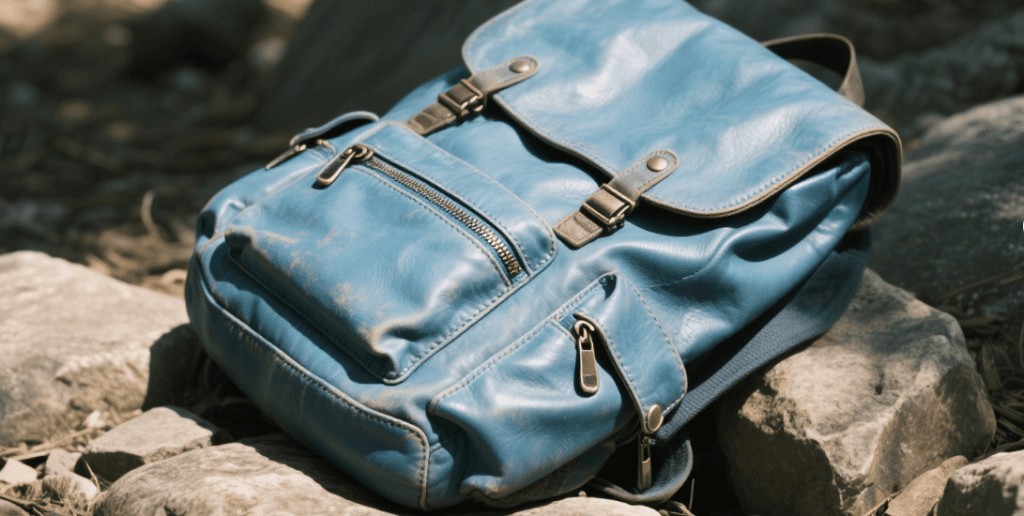
Problem #2: Peeling & Cracking (The "Fake Leather" Giveaway)
Peeling or cracking vegan leather is the ultimate buzzkill. One day your bag looks luxe, the next it’s flaking like bad nail polish.
Why it happens:
- Low-Quality Materials: Cheap PU leather lacks flexibility, so it cracks under stress.
- Dry Climates: Low humidity dries out the material, leading to splits.
- Heat Exposure: Leaving your bag in a hot car or near a heater can melt or weaken the coating.
How to fix it:
✅ Condition regularly: Use a plant-based conditioner (not petroleum-based!).
✅ Avoid heat: Don’t leave it in a hot car (seriously, it melts the coating).
✅ Repair Small Peels: For minor peeling, use a vegan leather repair kit. Sand lightly, apply filler, and seal with a topcoat.
✅ Buy better: Look for "100% PU-free" labels (apple/cactus leather lasts longer).
Prevention Tips
- Store in a humid environment (40-60% humidity) to prevent drying.
- Choose bags with a microfiber or canvas backing—they’re less likely to crack.
Leave A Message
If you are interested in our products and want to know more details, please leave a message here, we will reply you as soon as we can.